Premium peptide catalog built for advanced laboratory workflows.
BBG70
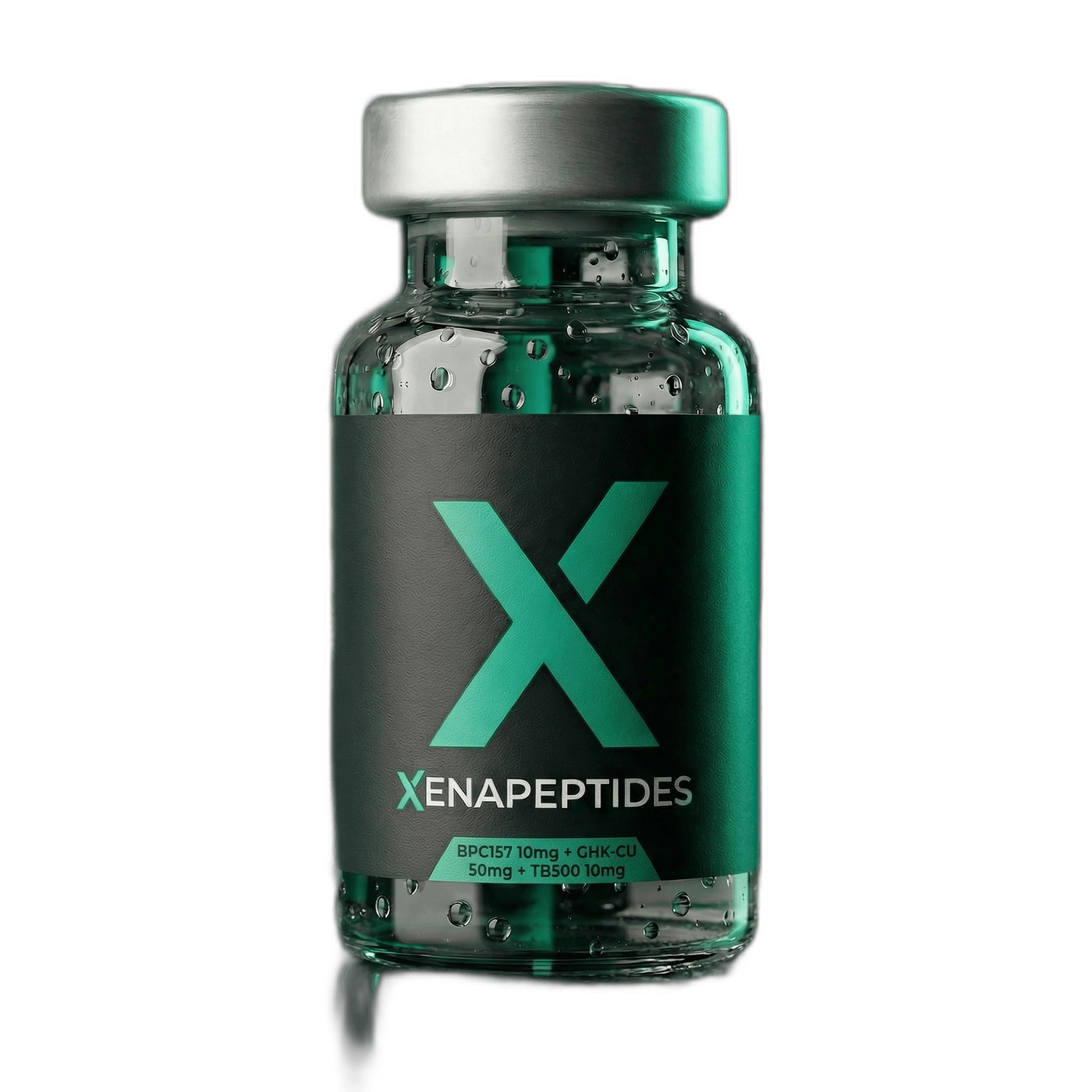
Mechanism of action and synergy This blend combines BPC-157, GHK-Cu and TB-500 for multifaceted regeneration. BPC-157 acts via the NO pathway, angiogenesis and growth factors; TB-500 regulates actin, cell migration and angiogenesis; GHK-Cu stimulates collagen, elastin, VEGF/FGF/NGF and tissue remodelling. The combination targets both soft tissue healing (BPC-157, TB-500) and skin/conjunctive health (GHK-Cu). Research applications • Tendon, ligament and muscle healing (BPC-157, TB-500) • Skin repair and tissue remodelling (GHK-Cu) • Angiogenesis and cytoprotection • Multi-target synergy for overall regeneration Biological properties studied • BPC-157: angiogenesis, growth factors, cytoprotection • TB-500: actin, cell migration, angiogenesis • GHK-Cu: collagen, elastin, VEGF/FGF/NGF, anti-inflammation Preparation and storage Reconstitute with bacteriostatic water; inject diluent along vial wall without shaking. Reconstituted solution stored ~21 days refrigerated (2-8°C). • Purity: ≥99% (HPLC) • Presentation: Lyophilized powder (BPC 10mg + GHK-Cu 50mg + TB 10mg) • Storage: 2-8°C • Recommended diluent: Bacteriostatic water (BA) Research use only.
135,00 €
View product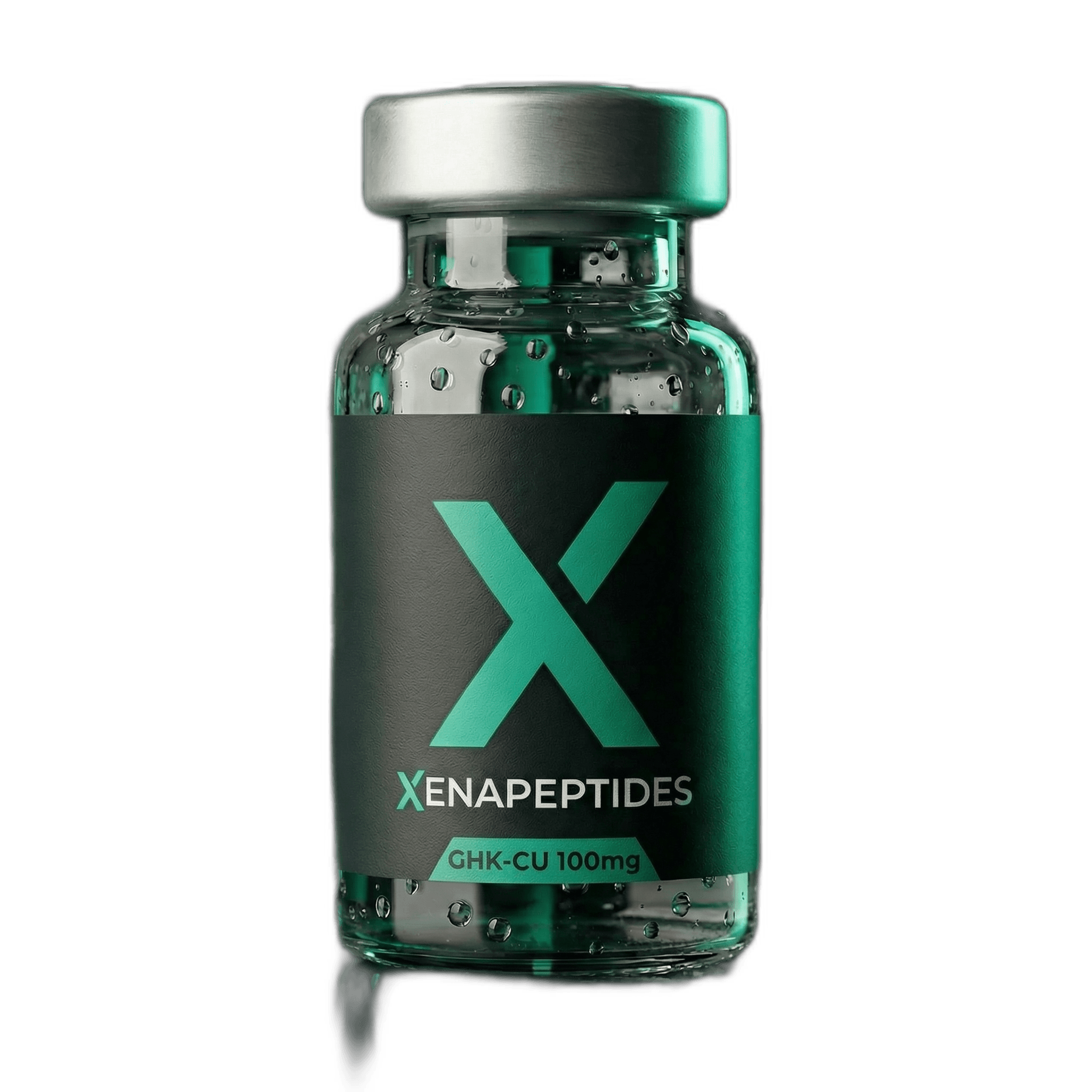
CU100
Mechanism of action GHK-Cu (glycyl-L-histidyl-L-lysine-copper) is a tripeptide naturally present in human plasma, released during injury. It modulates approximately 4000 human genes and exerts effects on tissue remodelling. The peptide stimulates synthesis of collagen, elastin, glycosaminoglycans and chondroitin sulfate while regulating collagen degradation. It increases production of VEGF, FGF-2, NGF and erythropoietin, attracts immune and endothelial cells to wound sites, suppresses free radicals and TNF-α, and increases superoxide dismutase activity. GHK levels naturally decline with age (approx. 200 ng/ml at 20 yrs vs 80 ng/ml at 60 yrs). Research applications • Skin wound healing and tissue remodelling • Fibroblast stimulation and extracellular matrix synthesis • Anti-inflammation and antioxidant • Skin rejuvenation and gene regulation • Epidermal stem cell growth (integrins) Biological properties studied • Stimulation of collagen, elastin and GAG • Increased VEGF, FGF-2, NGF • Anti-inflammatory and antioxidant effects • Modulation of thousands of genes • Purity: ≥99% (HPLC) • Presentation: Lyophilized powder 100 mg • Storage: 2-8°C • Recommended diluent: Bacteriostatic water (BA) • Application: often used in topical or in vitro research Research use only.
50,00 €
View product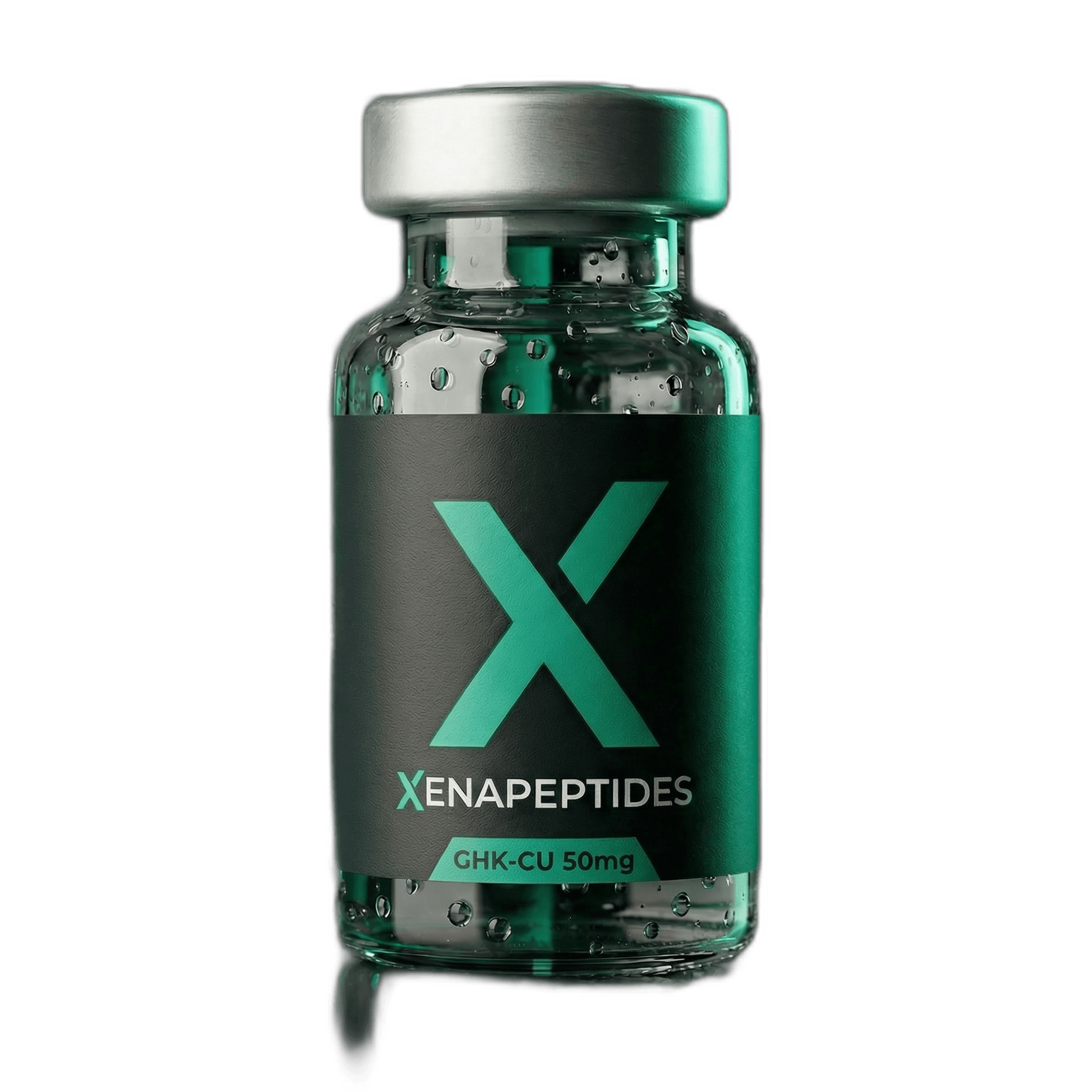
CU50
Mechanism of action GHK-Cu (glycyl-L-histidyl-L-lysine-copper) is a tripeptide naturally present in human plasma, released during injury. It modulates approximately 4000 human genes and exerts effects on tissue remodelling. The peptide stimulates synthesis of collagen, elastin, glycosaminoglycans and chondroitin sulfate while regulating collagen degradation. It increases production of VEGF, FGF-2, NGF and erythropoietin, attracts immune and endothelial cells to wound sites, suppresses free radicals and TNF-α, and increases superoxide dismutase activity. GHK levels naturally decline with age (approx. 200 ng/ml at 20 yrs vs 80 ng/ml at 60 yrs). Research applications • Skin wound healing and tissue remodelling • Fibroblast stimulation and extracellular matrix synthesis • Anti-inflammation and antioxidant • Skin rejuvenation and gene regulation • Epidermal stem cell growth (integrins) Biological properties studied • Stimulation of collagen, elastin and GAG • Increased VEGF, FGF-2, NGF • Anti-inflammatory and antioxidant effects • Modulation of thousands of genes • Purity: ≥99% (HPLC) • Presentation: Lyophilized powder • Storage: 2-8°C • Recommended diluent: Bacteriostatic water (BA) • Application: often used in topical or in vitro research Research use only.
40,00 €
View product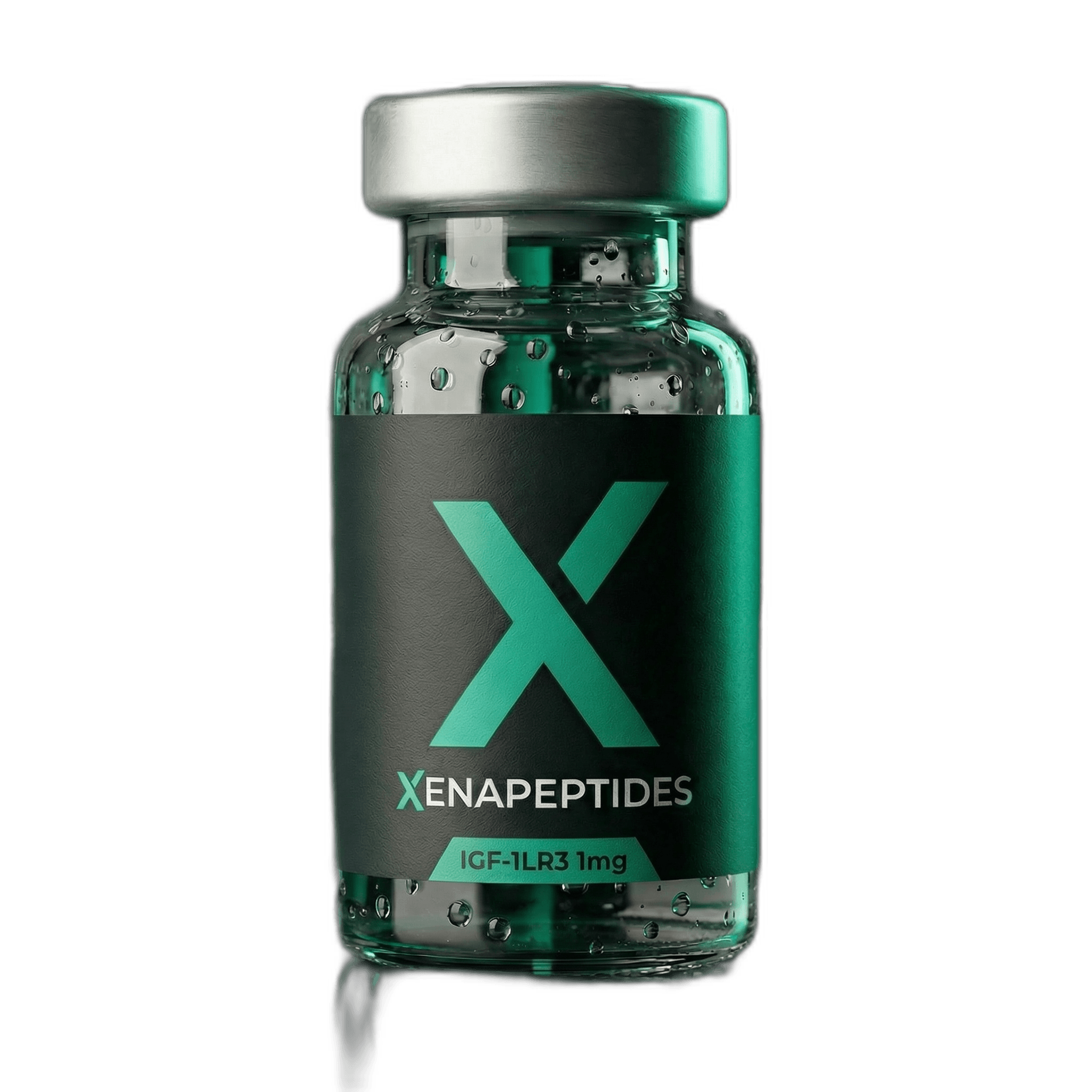
IGF-1
Mechanism of action IGF-1 LR3 is a synthetic analog of native IGF-1, modified by glutamine→arginine substitution at position 3 and N-terminal extension of 13 amino acids. These modifications reduce binding to IGF-binding proteins (IGFBP) by approximately 70-80%, increasing bioactive fraction in circulation. The peptide activates the IGF-1R receptor (tyrosine kinase), activating PI3K/Akt/mTOR pathways (protein synthesis via p70S6K and 4E-BP1 phosphorylation) and PI3K/Akt/GSK3-β (protein degradation suppression via FOXO1). Half-life is extended (20-30 h vs 12-15 h for native IGF-1) with approximately 3-fold higher biological potency. Research applications • Muscle hypertrophy and hyperplasia: satellite cell activation, myonuclear accretion • Protein synthesis and mTOR pathway regulation • Muscle atrophy: modulation of MAFbx/atrogin-1 and MuRF1 • Myotube growth in vitro Biological properties studied • IGF-1R activation and PI3K/Akt/mTOR and GSK3-β pathways • Stimulation of satellite cell proliferation • Increased muscle fibre cross-sectional area • Extended half-life and reduced IGFBP binding • Purity: ≥99% (HPLC) • Presentation: Lyophilized powder • Storage: 2-8°C • Recommended diluent: 0.6% acetic acid (AA) or bacteriostatic water per protocol Research use only.
145,00 €
View product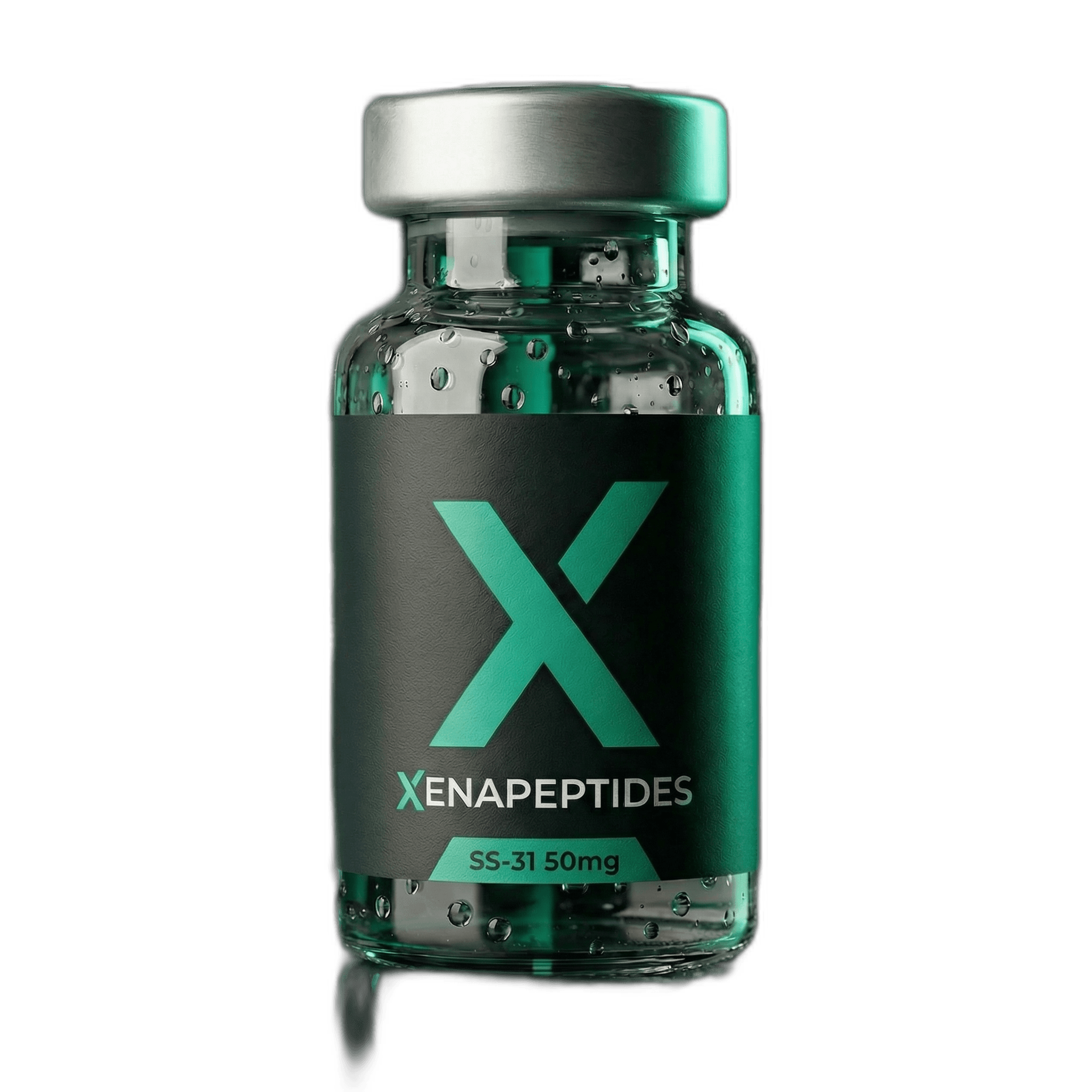
2S50
Mechanism of action Elamipretide (SS-31) is a mitochondrially-targeted peptide that binds to the adenine nucleotide translocator (ANT) and ATP synthase. It improves ADP sensitivity in aged mitochondria by increasing ADP uptake via ANT, resulting in increased ATP production. The peptide also decreases protein S-glutathionylation and mitochondrial free radical production, suggesting antioxidant effects. Its mechanism relies on membrane interactions and modifications of inner mitochondrial membrane electrostatics. Research applications • Mitochondrial function and ADP sensitivity in aged tissues • Oxidative stress and S-glutathionylation • Aging and mitochondrial dysfunction models • Muscle force and systolic cardiac function in aged animals • Age-related diseases Biological properties studied • Mitochondrial targeting via ANT and ATP synthase • Improved ATP production and ADP response • Reduced ROS and antioxidant effects • Potential restoration of mitochondrial function with age • Purity: ≥99% (HPLC) • Presentation: Lyophilized powder 50 mg • Storage: 2-8°C • Recommended diluent: Bacteriostatic water (BA) Research use only.
220,00 €
View product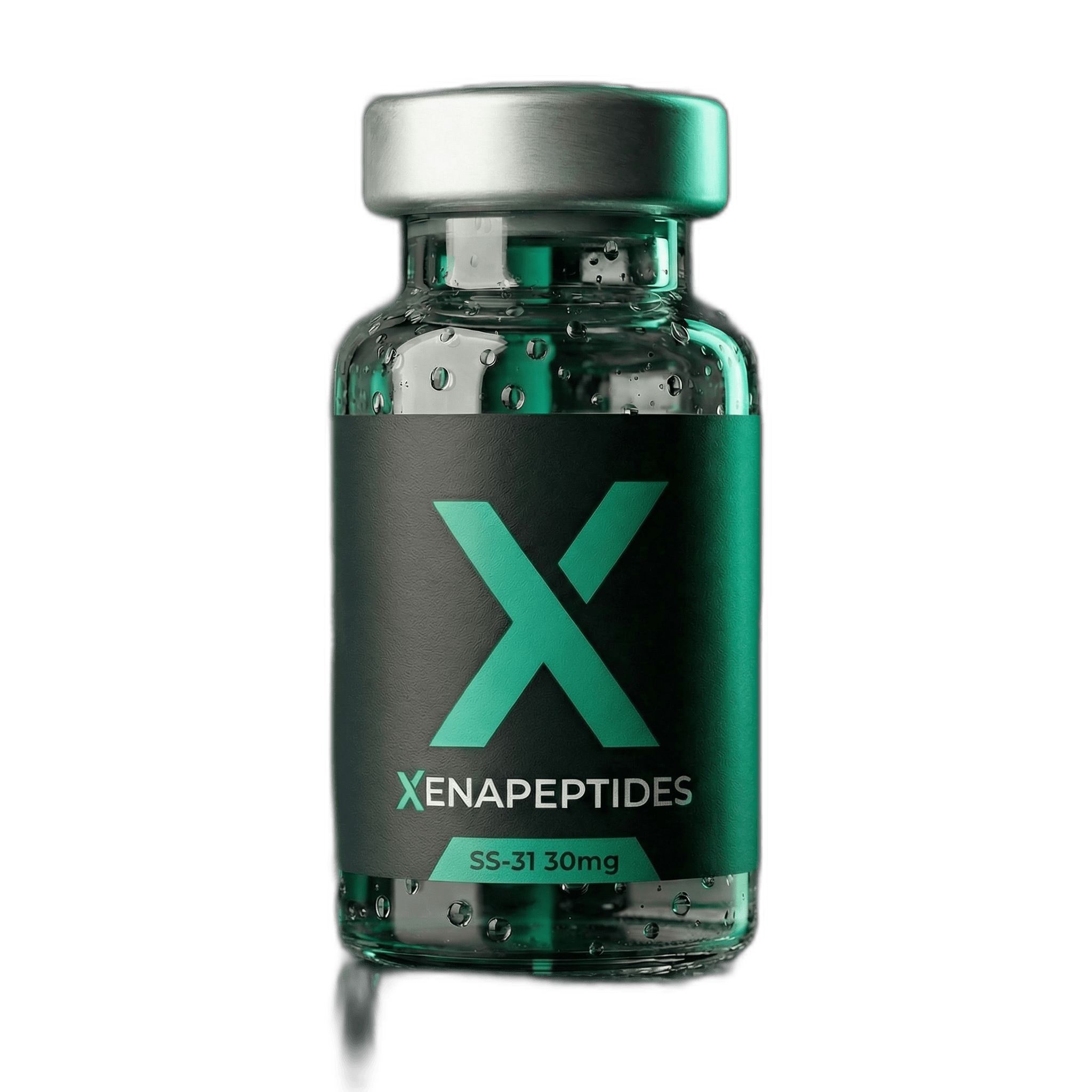
2S30
Mechanism of action Elamipretide (SS-31) is a mitochondrially-targeted peptide that binds to the adenine nucleotide translocator (ANT) and ATP synthase. It improves ADP sensitivity in aged mitochondria by increasing ADP uptake via ANT, resulting in increased ATP production. The peptide also decreases protein S-glutathionylation and mitochondrial free radical production, suggesting antioxidant effects. Its mechanism relies on membrane interactions and modifications of inner mitochondrial membrane electrostatics. Research applications • Mitochondrial function and ADP sensitivity in aged tissues • Oxidative stress and S-glutathionylation • Aging and mitochondrial dysfunction models • Muscle force and systolic cardiac function in aged animals • Age-related diseases Biological properties studied • Mitochondrial targeting via ANT and ATP synthase • Improved ATP production and ADP response • Reduced ROS and antioxidant effects • Potential restoration of mitochondrial function with age • Purity: ≥99% (HPLC) • Presentation: Lyophilized powder 30 mg • Storage: 2-8°C • Recommended diluent: Bacteriostatic water (BA) Research use only.
150,00 €
View product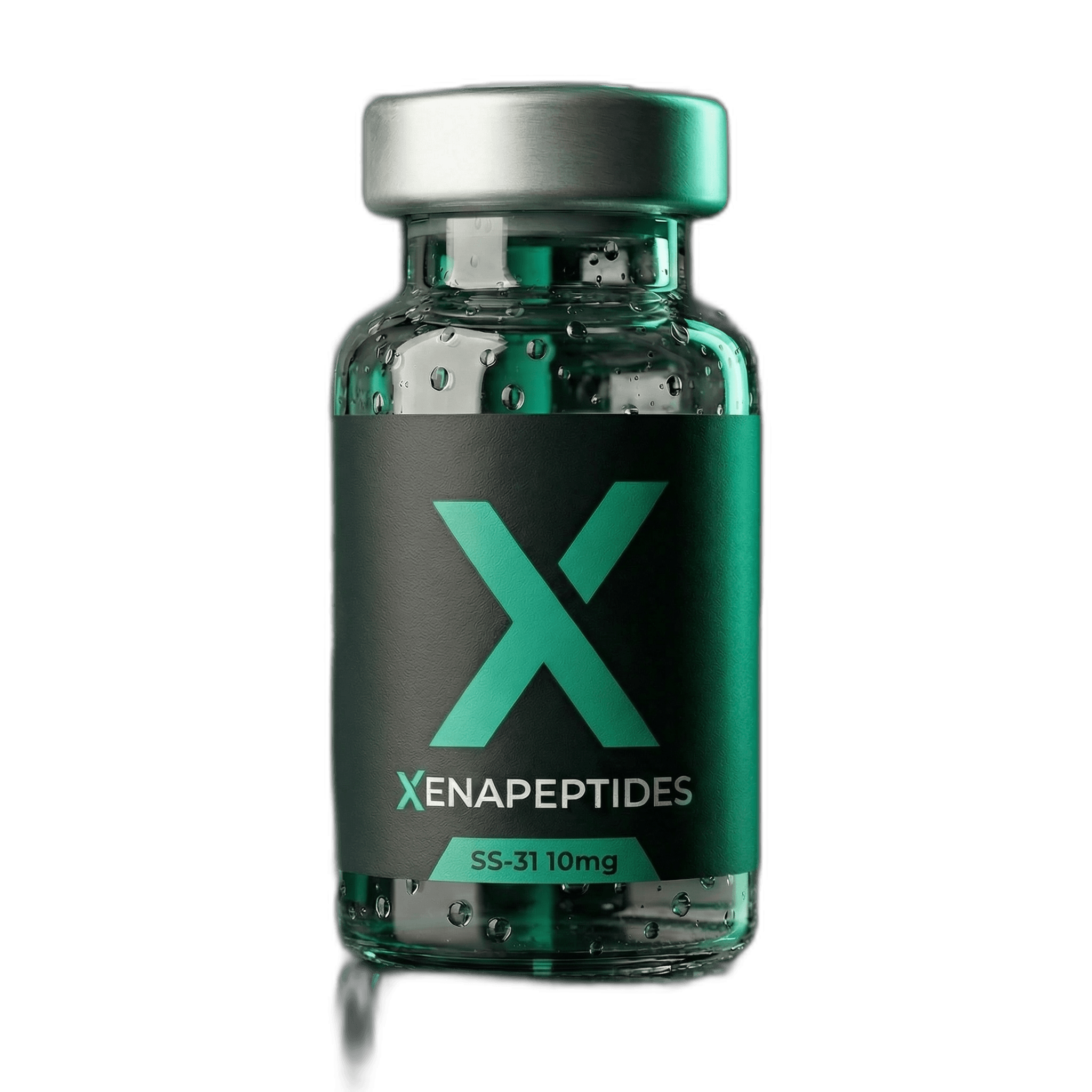
2S10
Mechanism of action Elamipretide (SS-31) is a mitochondrially-targeted peptide that binds to the adenine nucleotide translocator (ANT) and ATP synthase. It improves ADP sensitivity in aged mitochondria by increasing ADP uptake via ANT, resulting in increased ATP production. The peptide also decreases protein S-glutathionylation and mitochondrial free radical production, suggesting antioxidant effects. Its mechanism relies on membrane interactions and modifications of inner mitochondrial membrane electrostatics. Research applications • Mitochondrial function and ADP sensitivity in aged tissues • Oxidative stress and S-glutathionylation • Aging and mitochondrial dysfunction models • Muscle force and systolic cardiac function in aged animals • Age-related diseases Biological properties studied • Mitochondrial targeting via ANT and ATP synthase • Improved ATP production and ADP response • Reduced ROS and antioxidant effects • Potential restoration of mitochondrial function with age • Purity: ≥99% (HPLC) • Presentation: Lyophilized powder • Storage: 2-8°C • Recommended diluent: Bacteriostatic water (BA) Research use only.
85,00 €
View product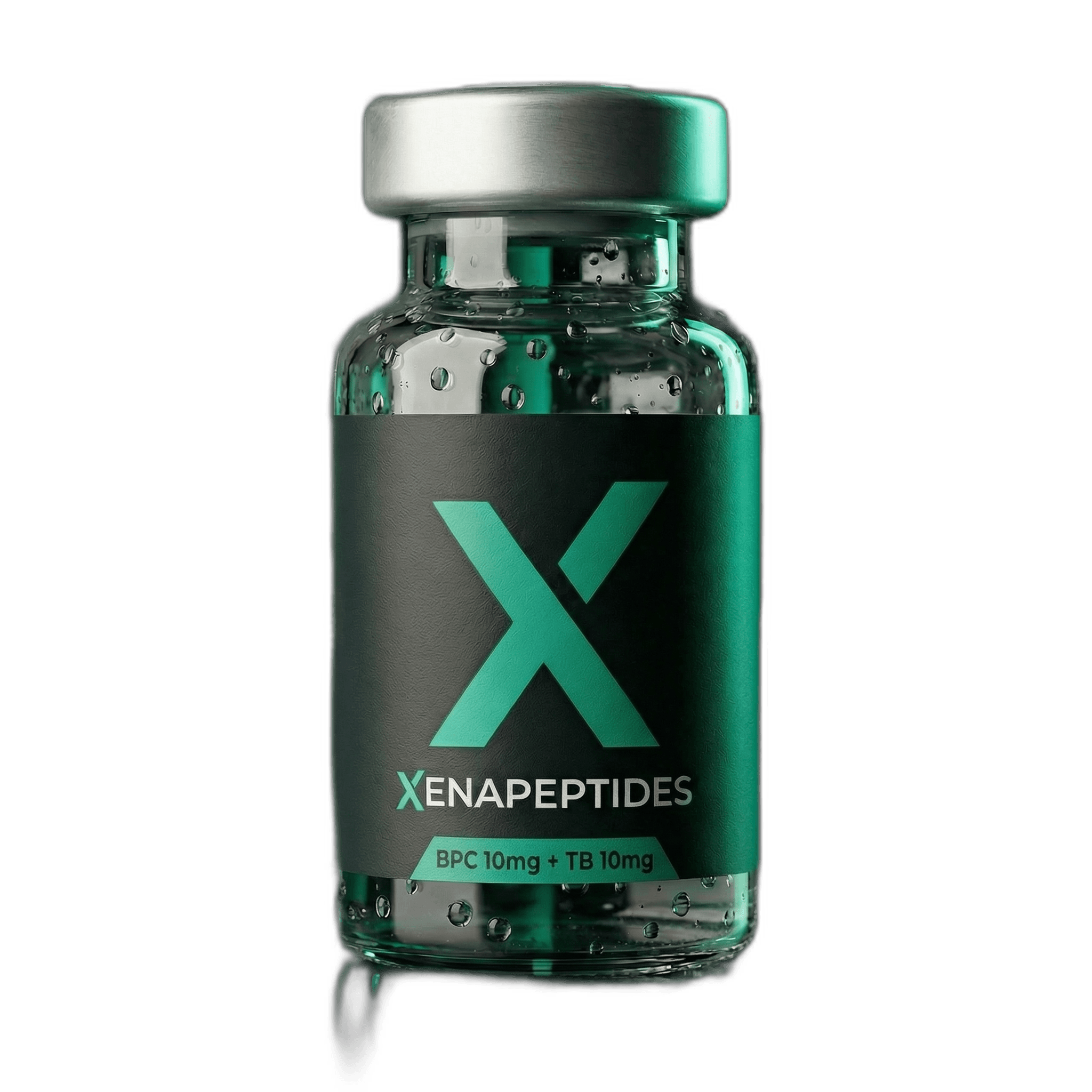
BB20
Mechanism of action and synergy This blend combines BPC-157 and TB-500, two complementary peptides for tissue regeneration. BPC-157 acts via the NO pathway, angiogenesis and growth factors (VEGF, TGF-β, FGF), upregulating GH receptors in tendon fibroblasts. TB-500 regulates actin and cell migration, promotes angiogenesis and healing. The combination is studied for potential synergy on tendon and muscle healing. Research applications • Tendon and ligament healing: dual-target BPC-157 + TB-500 approach • Skeletal muscle and soft tissue repair • Angiogenesis and gastrointestinal cytoprotection • Inflammation reduction and cell regeneration Biological properties studied • Synergy of BPC-157 (angiogenesis, growth factors, GH receptors) and TB-500 (actin, migration, angiogenesis) • Potential improvement of tendon fibroblast proliferation in presence of GH • Accelerated healing and biomechanical repair Preparation and storage Reconstitute with bacteriostatic water; inject diluent along vial wall without shaking. Reconstituted solution stored ~21 days refrigerated (2-8°C). • Purity: ≥99% (HPLC) • Presentation: Lyophilized powder (BPC 10mg + TB 10mg) • Storage: 2-8°C • Recommended diluent: Bacteriostatic water (BA) Research use only.
135,00 €
View product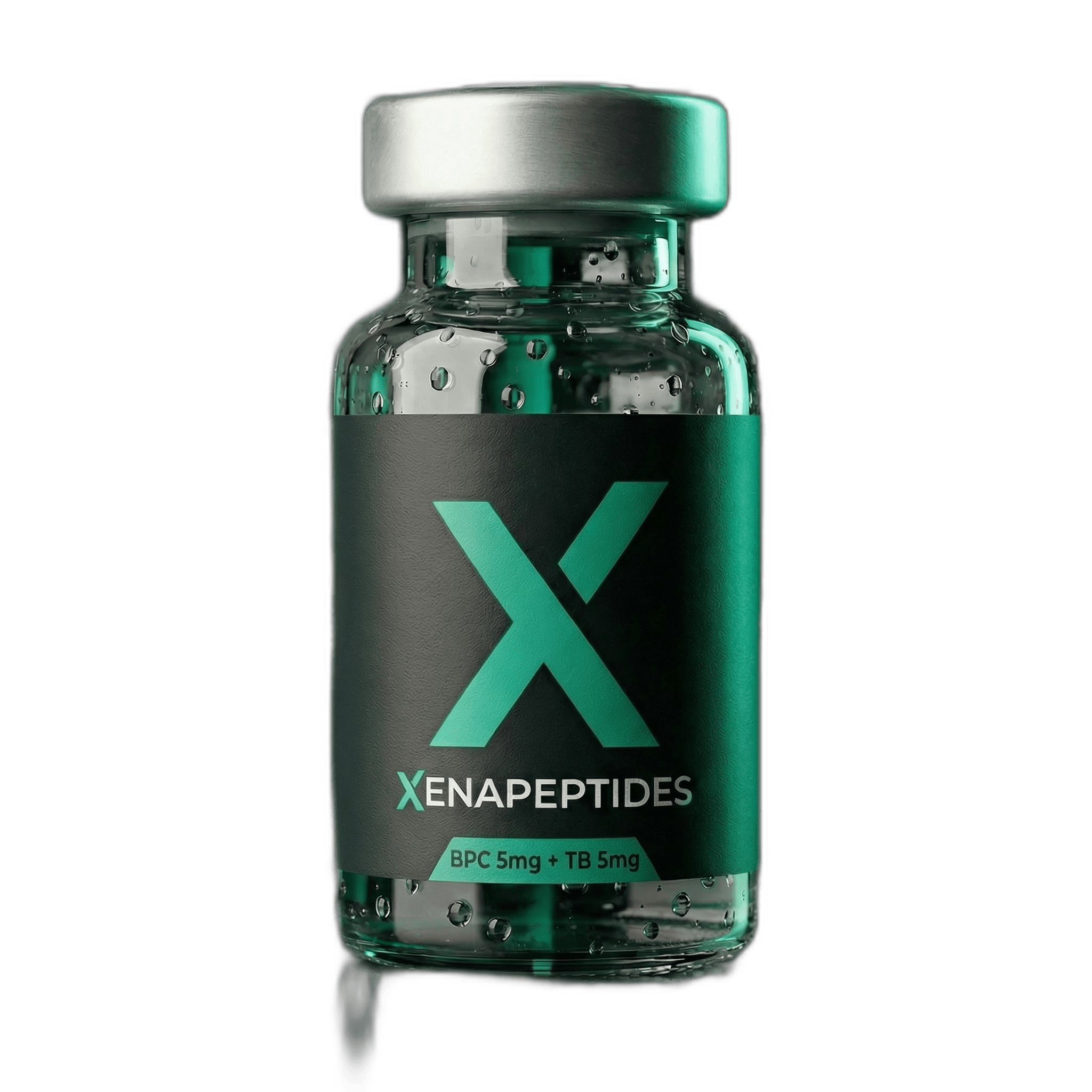
BB10
Mechanism of action and synergy This blend combines BPC-157 and TB-500, two complementary peptides for tissue regeneration. BPC-157 acts via the NO pathway, angiogenesis and growth factors (VEGF, TGF-β, FGF), upregulating GH receptors in tendon fibroblasts. TB-500 regulates actin and cell migration, promotes angiogenesis and healing. The combination is studied for potential synergy on tendon and muscle healing. Research applications • Tendon and ligament healing: dual-target BPC-157 + TB-500 approach • Skeletal muscle and soft tissue repair • Angiogenesis and gastrointestinal cytoprotection • Inflammation reduction and cell regeneration Biological properties studied • Synergy of BPC-157 (angiogenesis, growth factors, GH receptors) and TB-500 (actin, migration, angiogenesis) • Potential improvement of tendon fibroblast proliferation in presence of GH • Accelerated healing and biomechanical repair Preparation and storage Reconstitute with bacteriostatic water; inject diluent along vial wall without shaking. Reconstituted solution stored ~21 days refrigerated (2-8°C). • Purity: ≥99% (HPLC) • Presentation: Lyophilized powder (BPC 5mg + TB 5mg) • Storage: 2-8°C • Recommended diluent: Bacteriostatic water (BA) Research use only.
90,00 €
View product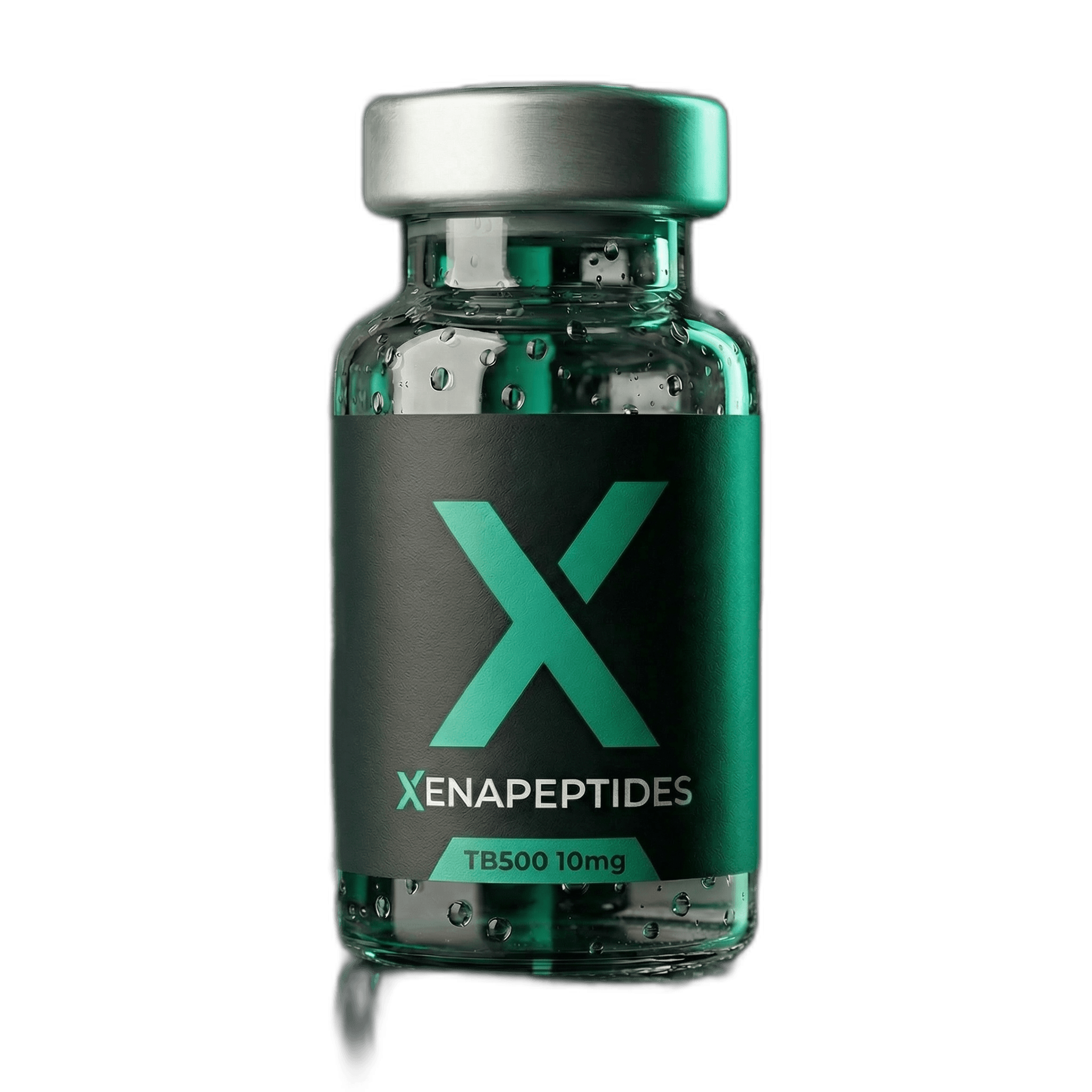
TB10
Mechanism of action TB-500 is the synthetic form of Thymosin β4 (Tβ4), a 43-amino acid peptide. Its primary mechanism involves sequestration of G-actin, regulating actin polymerization that drives cell migration and proliferation. The peptide promotes angiogenesis (formation of new vessels) via surface receptor binding and internalization. Distinct active fragments have been identified: anti-inflammatory (amino acids 1-4), anti-apoptotic and cytoprotective (1-15), cell migration stimulation (17-23). Research applications • Wound healing: accelerated reepithelialization, collagen deposition, wound contraction, angiogenesis in preclinical models • Keratinocyte and endothelial cell migration • Tendons and ligaments: tissue repair and flexibility • Inflammation and cell regeneration Biological properties studied • Actin regulation and cell migration • Promotion of angiogenesis and healing • Anti-inflammatory and cytoprotective effects • Potential synergy with BPC-157 for tendon healing • Stimulation of fibroblast proliferation Preparation and storage Reconstitute with bacteriostatic water; inject diluent along vial wall without shaking. Never mix one peptide with another in the same syringe. Reconstituted solution stored ~21 days refrigerated (2-8°C). • Purity: ≥99% (HPLC) • Presentation: Lyophilized powder 10 mg • Storage: 2-8°C • Recommended diluent: Bacteriostatic water (BA) Research use only.
110,00 €
View product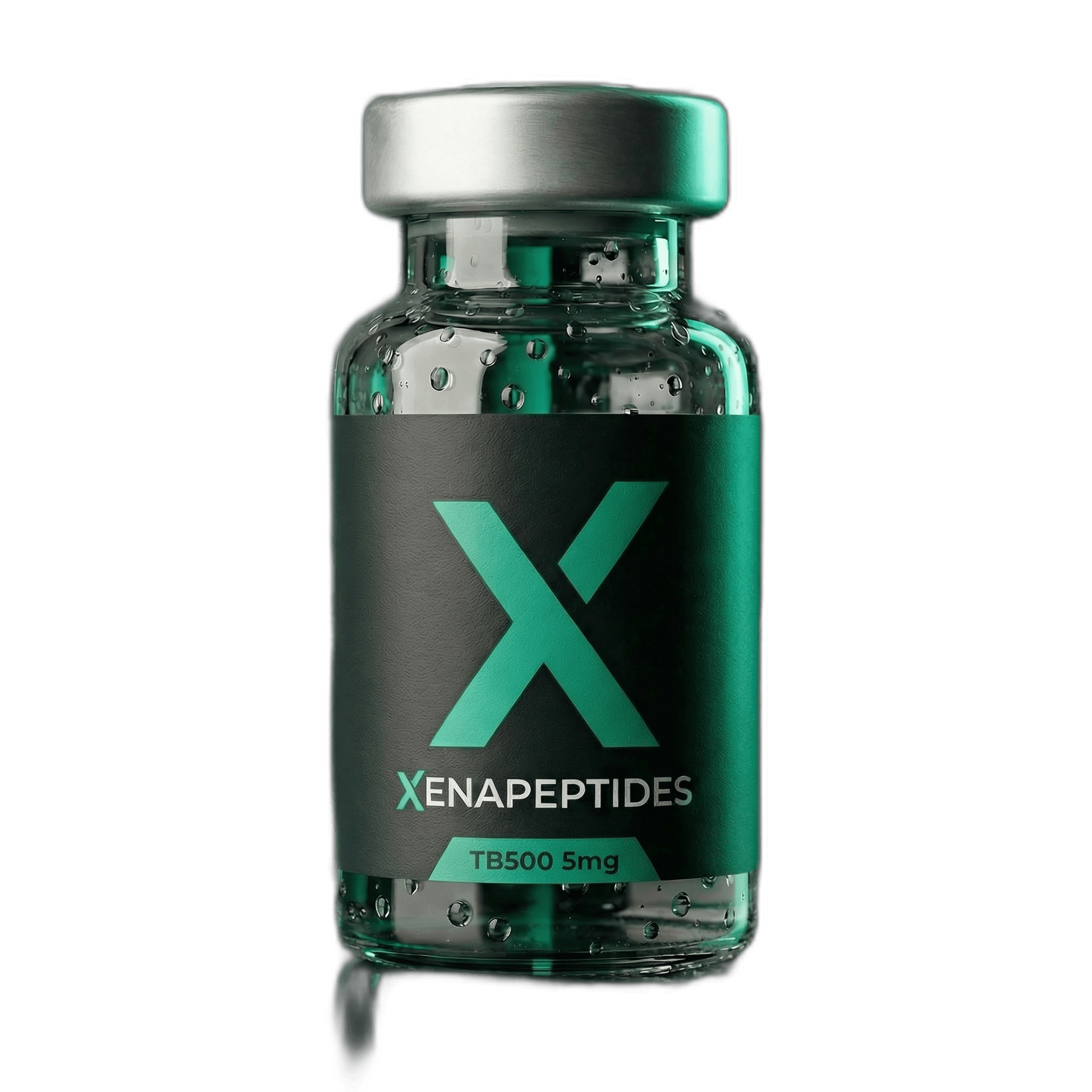
TB5
Mechanism of action TB-500 is the synthetic form of Thymosin β4 (Tβ4), a 43-amino acid peptide. Its primary mechanism involves sequestration of G-actin, regulating actin polymerization that drives cell migration and proliferation. The peptide promotes angiogenesis (formation of new vessels) via surface receptor binding and internalization. Distinct active fragments have been identified: anti-inflammatory (amino acids 1-4), anti-apoptotic and cytoprotective (1-15), cell migration stimulation (17-23). Research applications • Wound healing: accelerated reepithelialization, collagen deposition, wound contraction, angiogenesis in preclinical models • Keratinocyte and endothelial cell migration • Tendons and ligaments: tissue repair and flexibility • Inflammation and cell regeneration Biological properties studied • Actin regulation and cell migration • Promotion of angiogenesis and healing • Anti-inflammatory and cytoprotective effects • Potential synergy with BPC-157 for tendon healing • Stimulation of fibroblast proliferation Preparation and storage Reconstitute with bacteriostatic water; inject diluent along vial wall without shaking. Never mix one peptide with another in the same syringe. Reconstituted solution stored ~21 days refrigerated (2-8°C). • Purity: ≥99% (HPLC) • Presentation: Lyophilized powder • Storage: 2-8°C • Recommended diluent: Bacteriostatic water (BA) Research use only.
80,00 €
View product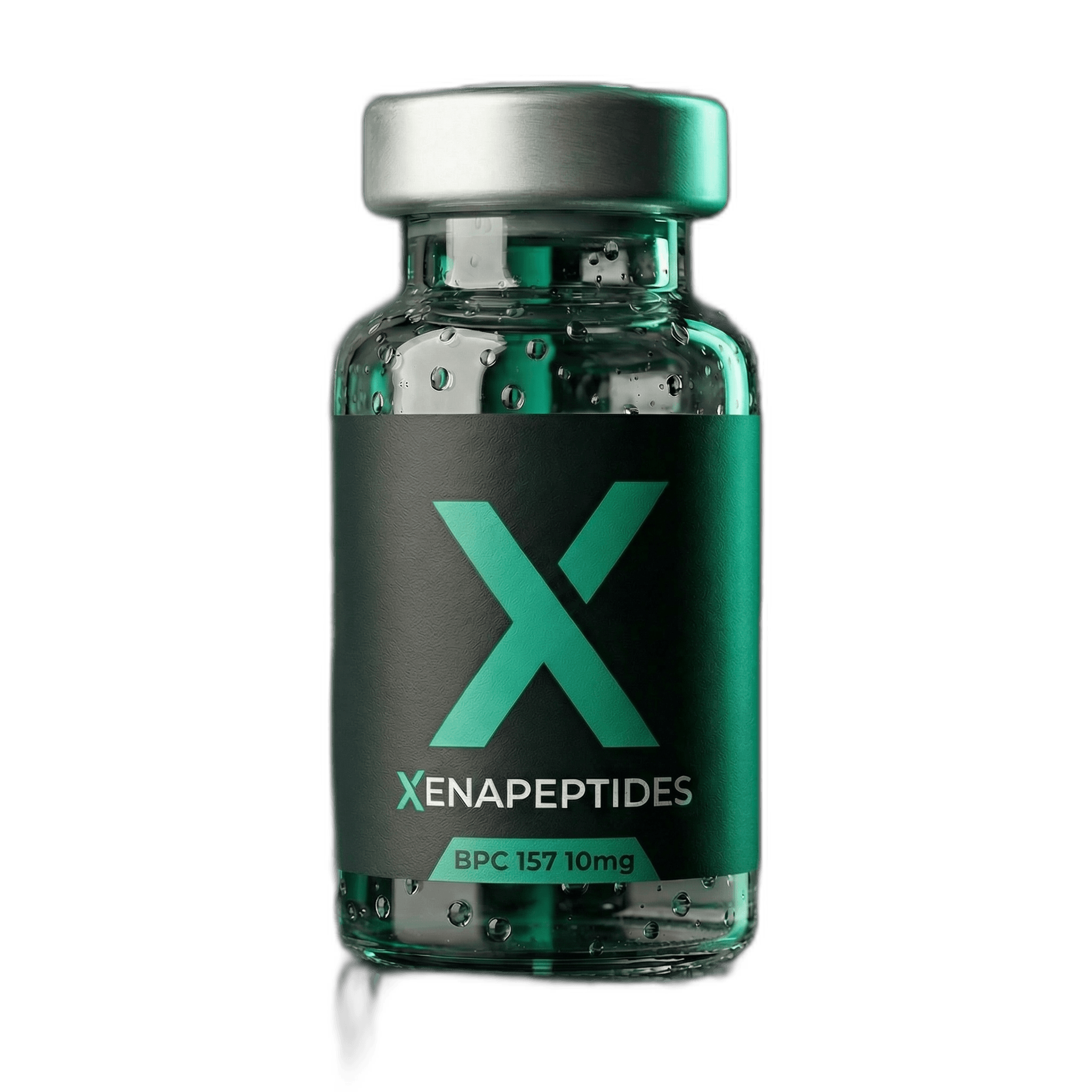
BPC10
Mechanism of action BPC-157 interacts with the nitric oxide (NO) pathway to regulate vascular function and stimulate key growth factors. The NO-mediated healing mechanism involves accelerated angiogenesis—formation of new blood vessels—enabling increased delivery of oxygen and energy to the damaged site. The peptide stimulates production of angiogenic cytokines (VEGF, TGF-β, FGF), upregulates anti-inflammatory genes and growth hormone receptors, and promotes fibroblast proliferation essential for collagen formation. Research applications • Tendon and ligament healing: preclinical studies show improved biomechanical recovery, micro- and macroscopic, with increased load at rupture and collagen fibre formation • Skeletal muscle: accelerated muscle healing after traumatic injury, reduced muscle proteolysis • Skin and mucosa: modulatory effect on collagen, inflammatory cells and angiogenesis in skin wound models • Gastrointestinal tract: cytoprotective activity and lesion repair Biological properties studied • Promotes angiogenesis and healing of various tissues (skin, mucosa, muscle, tendons, ligaments) • Stimulates fibroblast proliferation and collagen formation • Increases growth hormone receptor expression • Anti-inflammatory and cytoprotective effects • Potential synergy with TB-500 for tendon healing • Protects endothelium and may reduce thrombotic complications Preparation and storage Reconstitute with bacteriostatic water; inject diluent along vial wall without shaking. Never mix one peptide with another in the same syringe. Reconstituted solution stored ~21 days refrigerated (2-8°C). • Purity: ≥99% (HPLC) • Presentation: Lyophilized powder 10 mg • Storage: 2-8°C • Recommended diluent: Bacteriostatic water (BA) Research use only.
65,00 €
View product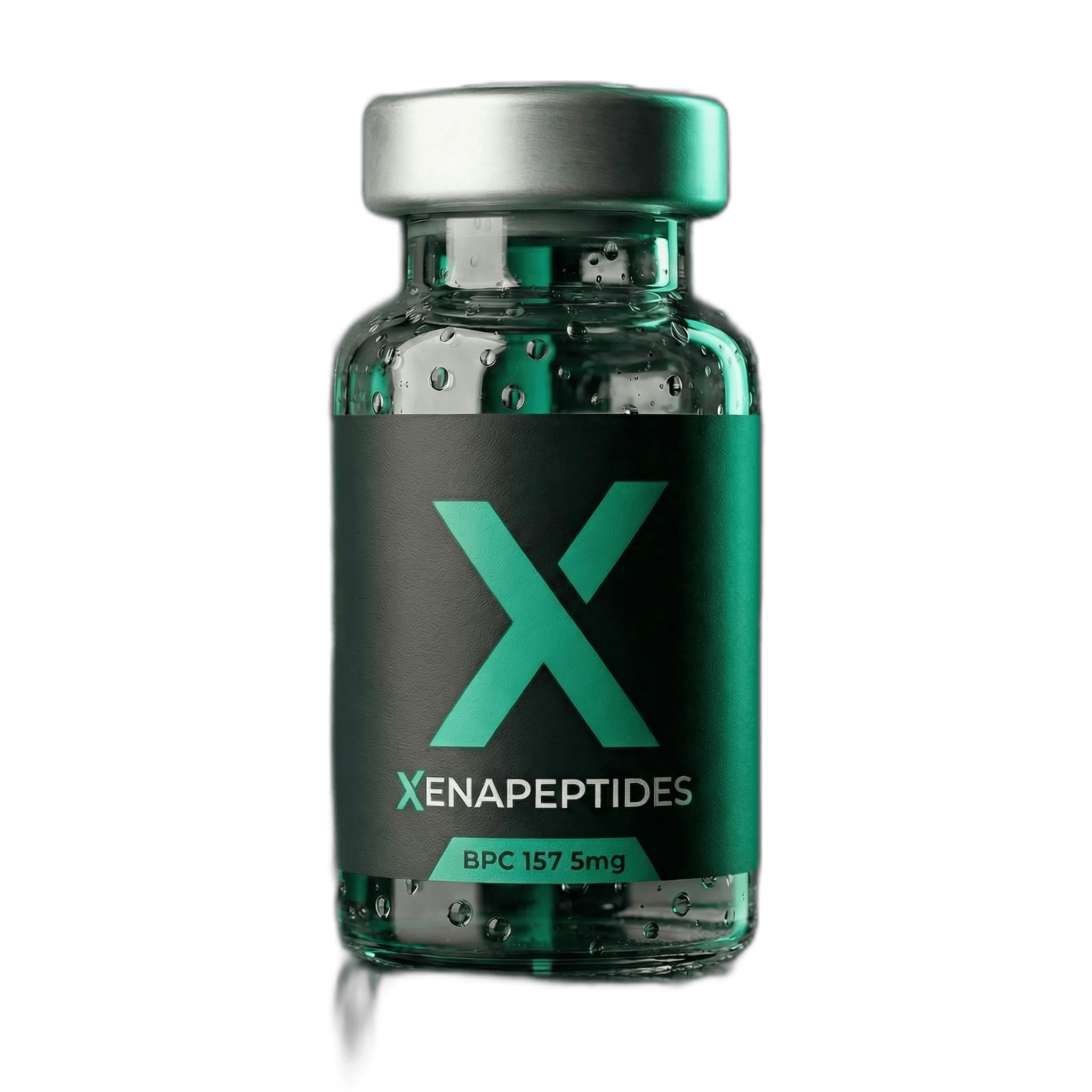
BPC5
Mechanism of action BPC-157 interacts with the nitric oxide (NO) pathway to regulate vascular function and stimulate key growth factors. The NO-mediated healing mechanism involves accelerated angiogenesis—formation of new blood vessels—enabling increased delivery of oxygen and energy to the damaged site. The peptide stimulates production of angiogenic cytokines (VEGF, TGF-β, FGF), upregulates anti-inflammatory genes and growth hormone receptors, and promotes fibroblast proliferation essential for collagen formation. Research applications • Tendon and ligament healing: preclinical studies show improved biomechanical recovery, micro- and macroscopic, with increased load at rupture and collagen fibre formation • Skeletal muscle: accelerated muscle healing after traumatic injury, reduced muscle proteolysis • Skin and mucosa: modulatory effect on collagen, inflammatory cells and angiogenesis in skin wound models • Gastrointestinal tract: cytoprotective activity and lesion repair Biological properties studied • Promotes angiogenesis and healing of various tissues (skin, mucosa, muscle, tendons, ligaments) • Stimulates fibroblast proliferation and collagen formation • Increases growth hormone receptor expression • Anti-inflammatory and cytoprotective effects • Potential synergy with TB-500 for tendon healing • Protects endothelium and may reduce thrombotic complications Preparation and storage Reconstitute with bacteriostatic water; inject diluent along vial wall without shaking. Never mix one peptide with another in the same syringe. Reconstituted solution stored ~21 days refrigerated (2-8°C). • Purity: ≥99% (HPLC) • Presentation: Lyophilized powder • Storage: 2-8°C • Recommended diluent: Bacteriostatic water (BA) Research use only.
55,00 €
View product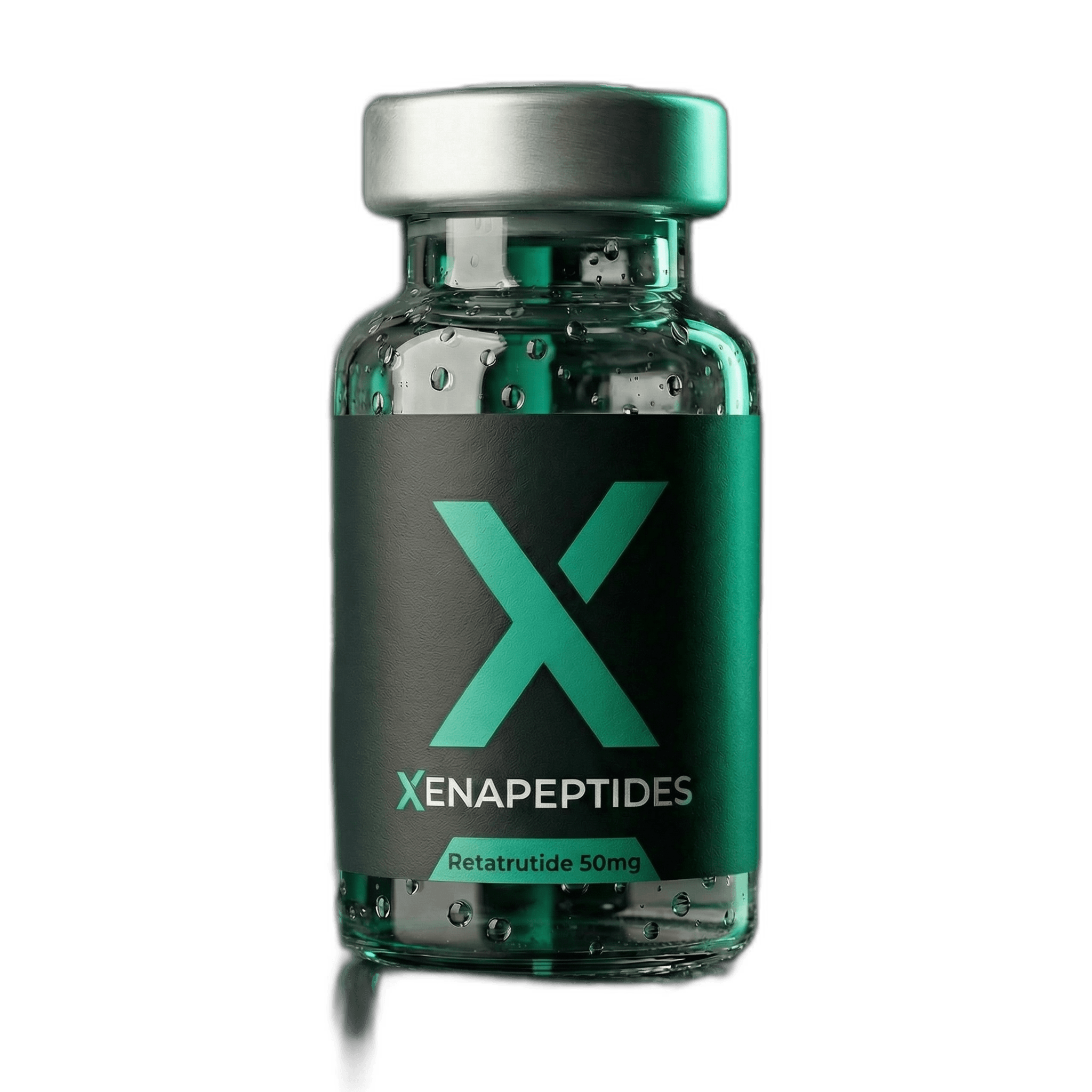
RT50
Mechanism of action Retatrutide (LY3437943) is a triple agonist simultaneously activating GLP-1, GIP (glucose-dependent insulinotropic polypeptide), and glucagon (GCGR) receptors. The GLP-1 component reduces appetite and increases satiety via gastric emptying and the hypothalamus; GIP improves insulin sensitivity and fat distribution; glucagon increases energy expenditure through thermogenesis and promotes lipolysis. This multi-receptor approach is studied for superior synergistic potential versus single or dual agonists. Research applications • Energy metabolism and body composition • GLP-1, GIP and glucagon pathways in weight regulation • Insulin sensitivity and adipose tissue distribution • Thermogenesis and lipolysis Biological properties studied • Triple GLP-1R, GIPR, GCGR agonism • Potentially superior metabolic efficacy vs simple/dual agonists • Modulation of visceral vs subcutaneous fat • Purity: ≥99% (HPLC) • Presentation: Lyophilized powder 50 mg • Storage: 2-8°C • Recommended diluent: Bacteriostatic water (BA) Research use only.
220,00 €
View product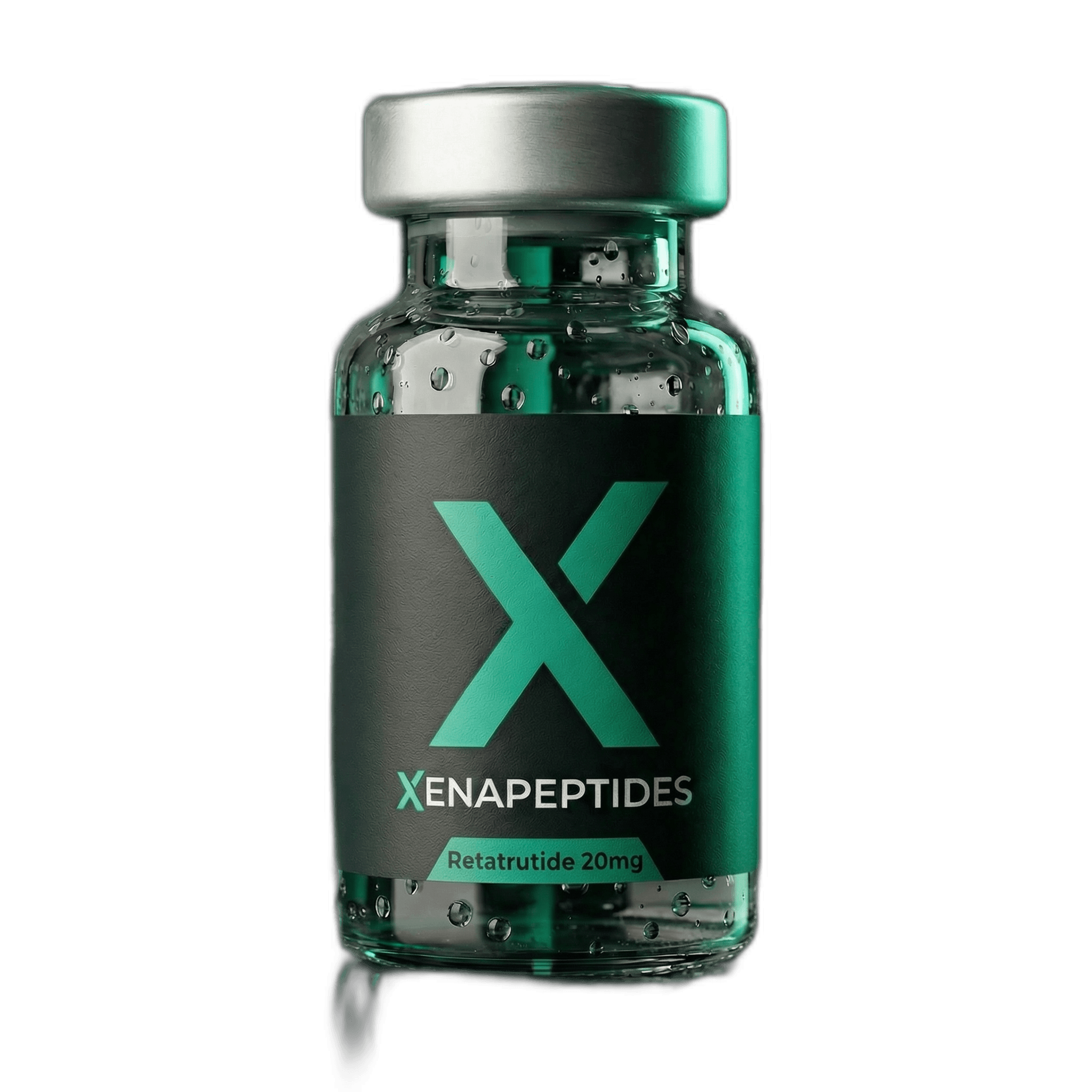
RT20
Mechanism of action Retatrutide (LY3437943) is a triple agonist simultaneously activating GLP-1, GIP (glucose-dependent insulinotropic polypeptide), and glucagon (GCGR) receptors. The GLP-1 component reduces appetite and increases satiety via gastric emptying and the hypothalamus; GIP improves insulin sensitivity and fat distribution; glucagon increases energy expenditure through thermogenesis and promotes lipolysis. This multi-receptor approach is studied for superior synergistic potential versus single or dual agonists. Research applications • Energy metabolism and body composition • GLP-1, GIP and glucagon pathways in weight regulation • Insulin sensitivity and adipose tissue distribution • Thermogenesis and lipolysis Biological properties studied • Triple GLP-1R, GIPR, GCGR agonism • Potentially superior metabolic efficacy vs simple/dual agonists • Modulation of visceral vs subcutaneous fat • Purity: ≥99% (HPLC) • Presentation: Lyophilized powder 20 mg • Storage: 2-8°C • Recommended diluent: Bacteriostatic water (BA) Research use only.
130,00 €
View product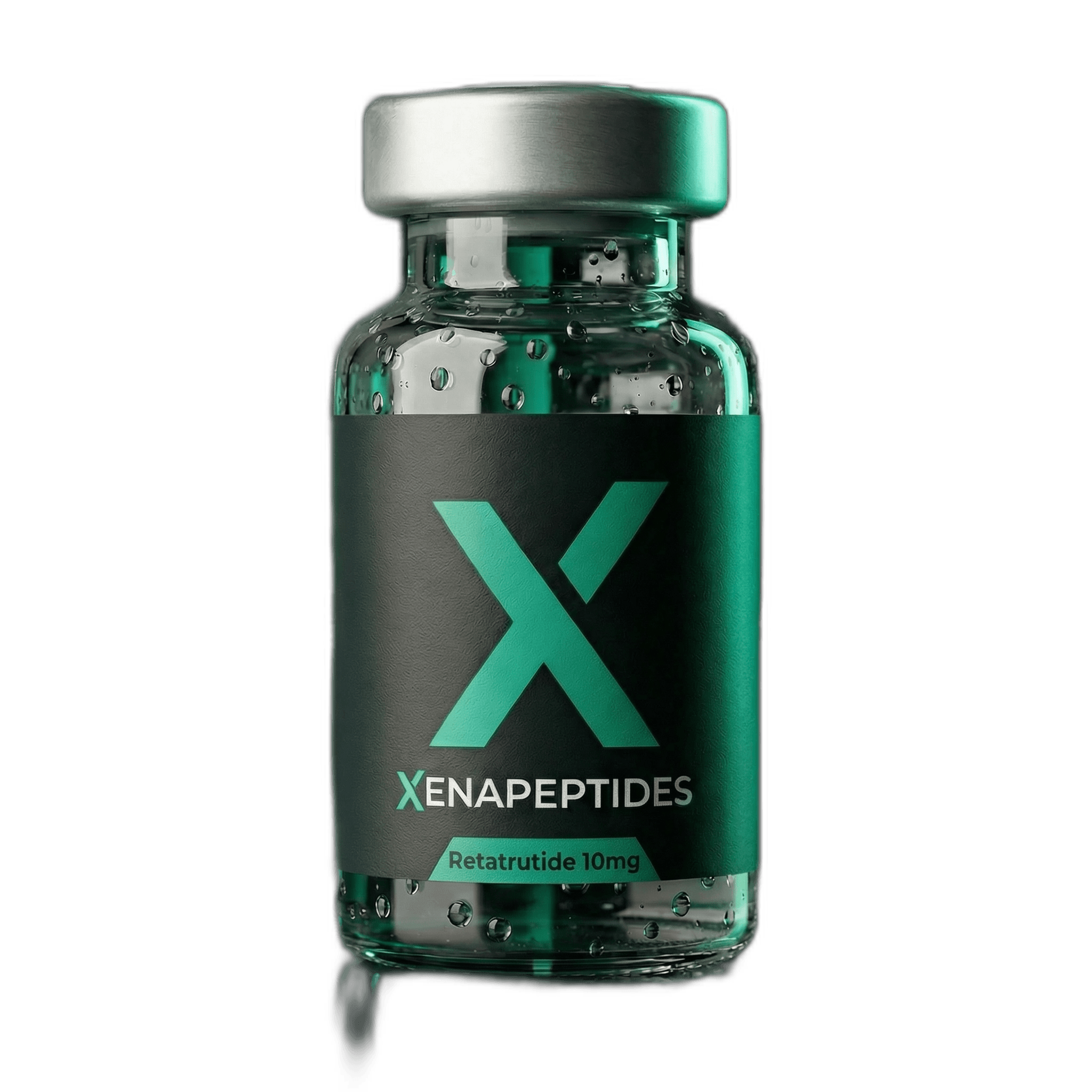
RT10
Mechanism of action Retatrutide (LY3437943) is a triple agonist simultaneously activating GLP-1, GIP (glucose-dependent insulinotropic polypeptide), and glucagon (GCGR) receptors. The GLP-1 component reduces appetite and increases satiety via gastric emptying and the hypothalamus; GIP improves insulin sensitivity and fat distribution; glucagon increases energy expenditure through thermogenesis and promotes lipolysis. This multi-receptor approach is studied for superior synergistic potential versus single or dual agonists. Research applications • Energy metabolism and body composition • GLP-1, GIP and glucagon pathways in weight regulation • Insulin sensitivity and adipose tissue distribution • Thermogenesis and lipolysis Biological properties studied • Triple GLP-1R, GIPR, GCGR agonism • Potentially superior metabolic efficacy vs simple/dual agonists • Modulation of visceral vs subcutaneous fat • Purity: ≥99% (HPLC) • Presentation: Lyophilized powder 10 mg • Storage: 2-8°C • Recommended diluent: Bacteriostatic water (BA) Research use only.
95,00 €
View product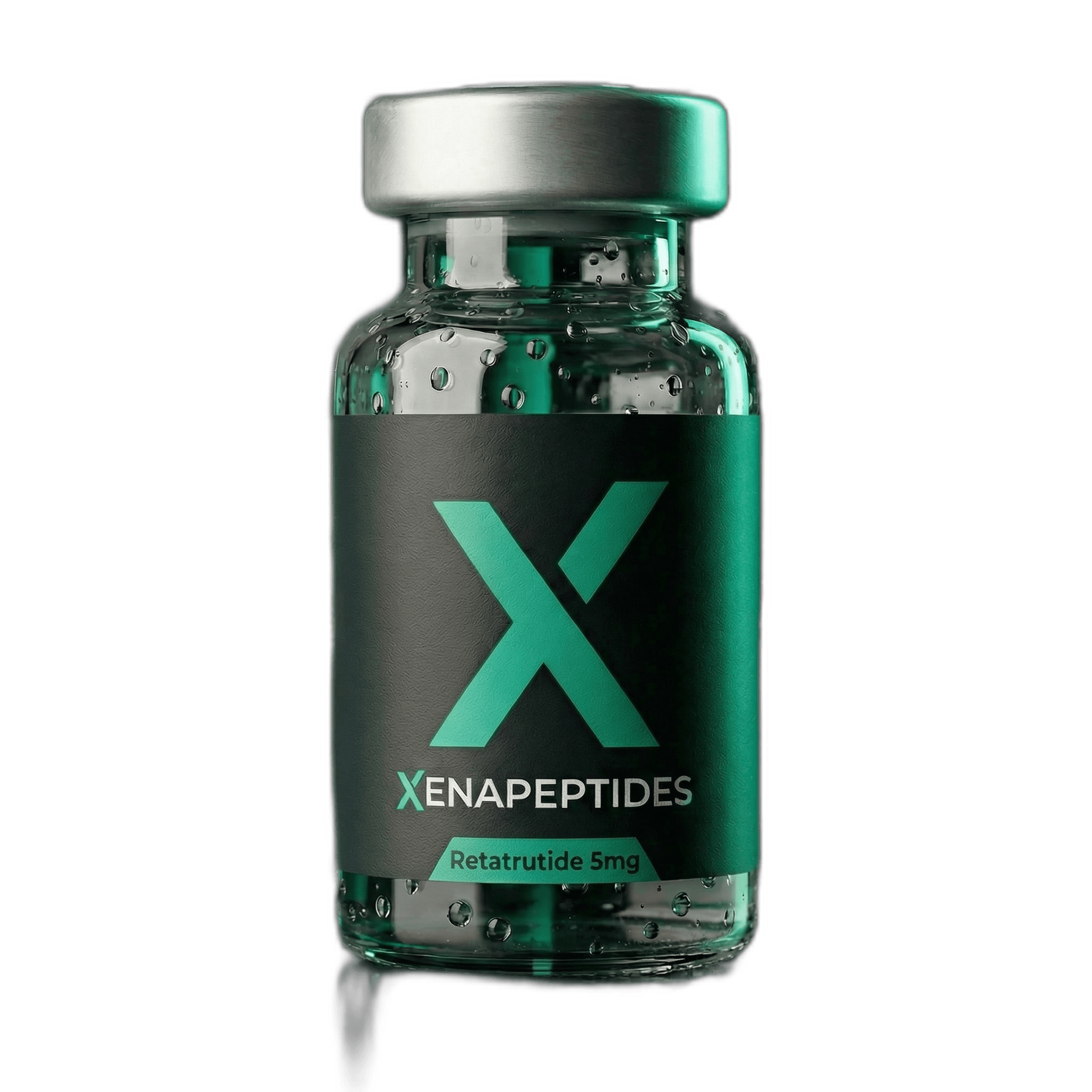
RT5
Mechanism of action Retatrutide (LY3437943) is a triple agonist simultaneously activating GLP-1, GIP (glucose-dependent insulinotropic polypeptide), and glucagon (GCGR) receptors. The GLP-1 component reduces appetite and increases satiety via gastric emptying and the hypothalamus; GIP improves insulin sensitivity and fat distribution; glucagon increases energy expenditure through thermogenesis and promotes lipolysis. This multi-receptor approach is studied for superior synergistic potential versus single or dual agonists. Research applications • Energy metabolism and body composition • GLP-1, GIP and glucagon pathways in weight regulation • Insulin sensitivity and adipose tissue distribution • Thermogenesis and lipolysis Biological properties studied • Triple GLP-1R, GIPR, GCGR agonism • Potentially superior metabolic efficacy vs simple/dual agonists • Modulation of visceral vs subcutaneous fat • Purity: ≥99% (HPLC) • Presentation: Lyophilized powder • Storage: 2-8°C • Recommended diluent: Bacteriostatic water (BA) Research use only.
70,00 €
View product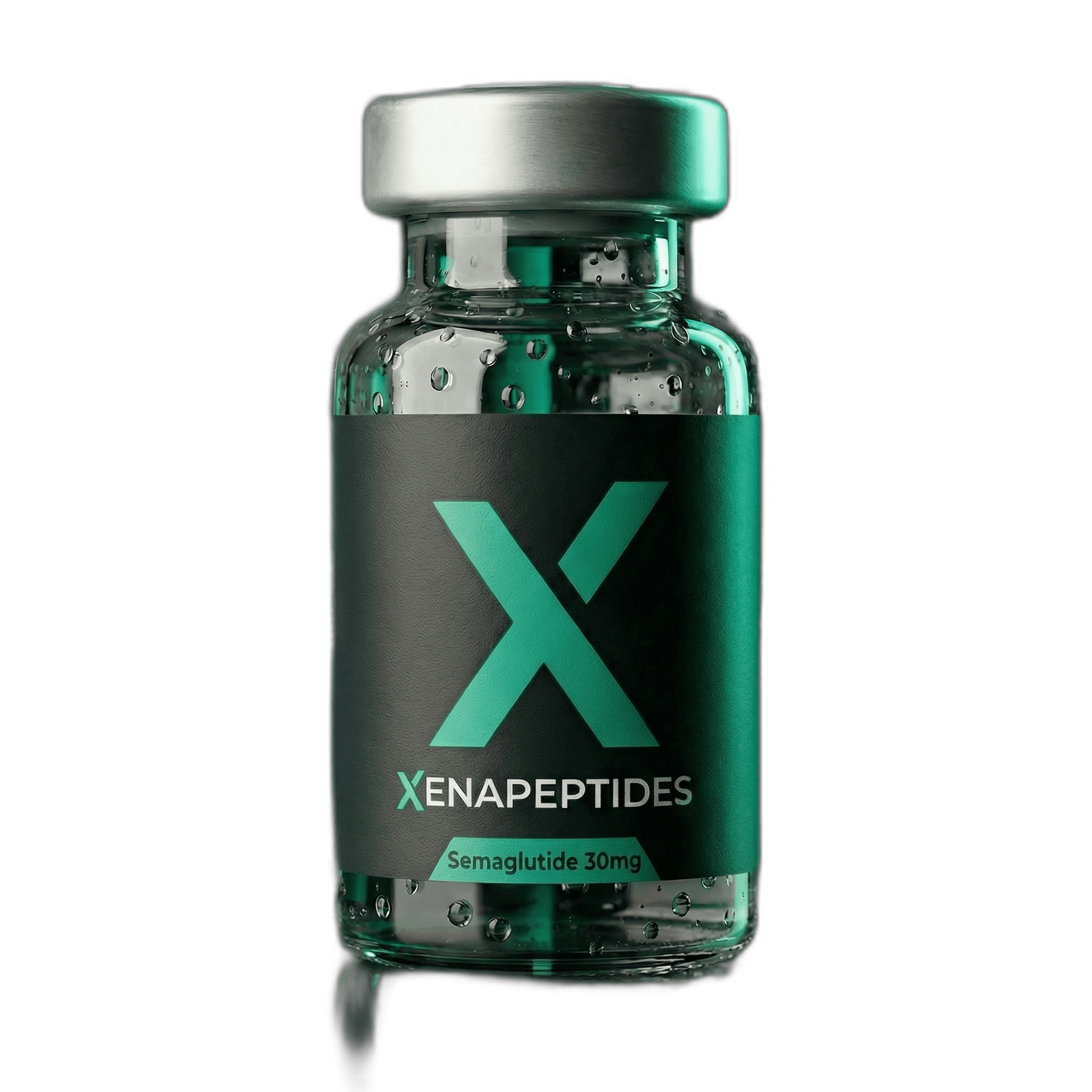
SM30
Mechanism of action Semaglutide is a GLP-1 (Glucagon-Like Peptide-1) analogue with extended half-life through structural modification and albumin binding. As a GLP-1R agonist, it exerts central effects (appetite regulation, satiety, energy centres) and peripheral effects: stimulation of glucose-dependent insulin secretion, glucagon inhibition, delayed gastric emptying. Research also explores its effects on lipid metabolism and adipose tissue distribution. Research applications • Glucose metabolism and glycemic control (HbA1c) • Appetite regulation and satiety mechanisms • Body composition and energy metabolism • Adipose tissue inflammation and ectopic lipid deposition Biological properties studied • Central and peripheral GLP-1R agonism • Improved insulin sensitivity • Reduction of triglycerides and LDL cholesterol • Extended half-life allowing weekly administration • Purity: ≥99% (HPLC) • Presentation: Lyophilized powder 30 mg • Storage: 2-8°C • Recommended diluent: Bacteriostatic water (BA) • Reconstituted solution storage: ~21 days refrigerated (2-8°C) Research use only.
109,00 €
View product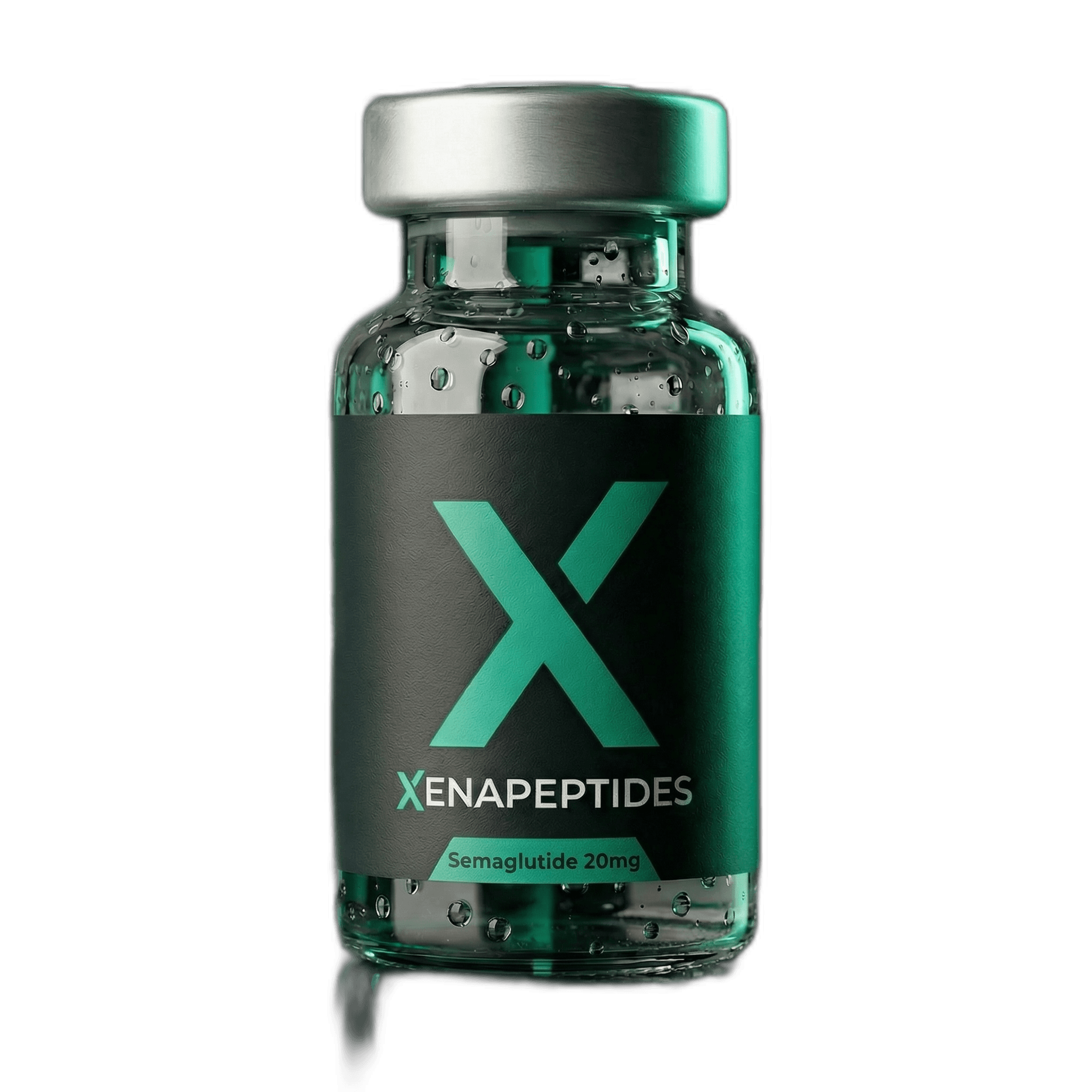
SM20
Mechanism of action Semaglutide is a GLP-1 (Glucagon-Like Peptide-1) analogue with extended half-life through structural modification and albumin binding. As a GLP-1R agonist, it exerts central effects (appetite regulation, satiety, energy centres) and peripheral effects: stimulation of glucose-dependent insulin secretion, glucagon inhibition, delayed gastric emptying. Research also explores its effects on lipid metabolism and adipose tissue distribution. Research applications • Glucose metabolism and glycemic control (HbA1c) • Appetite regulation and satiety mechanisms • Body composition and energy metabolism • Adipose tissue inflammation and ectopic lipid deposition Biological properties studied • Central and peripheral GLP-1R agonism • Improved insulin sensitivity • Reduction of triglycerides and LDL cholesterol • Extended half-life allowing weekly administration • Purity: ≥99% (HPLC) • Presentation: Lyophilized powder 20 mg • Storage: 2-8°C • Recommended diluent: Bacteriostatic water (BA) • Reconstituted solution storage: ~21 days refrigerated (2-8°C) Research use only.
80,00 €
View product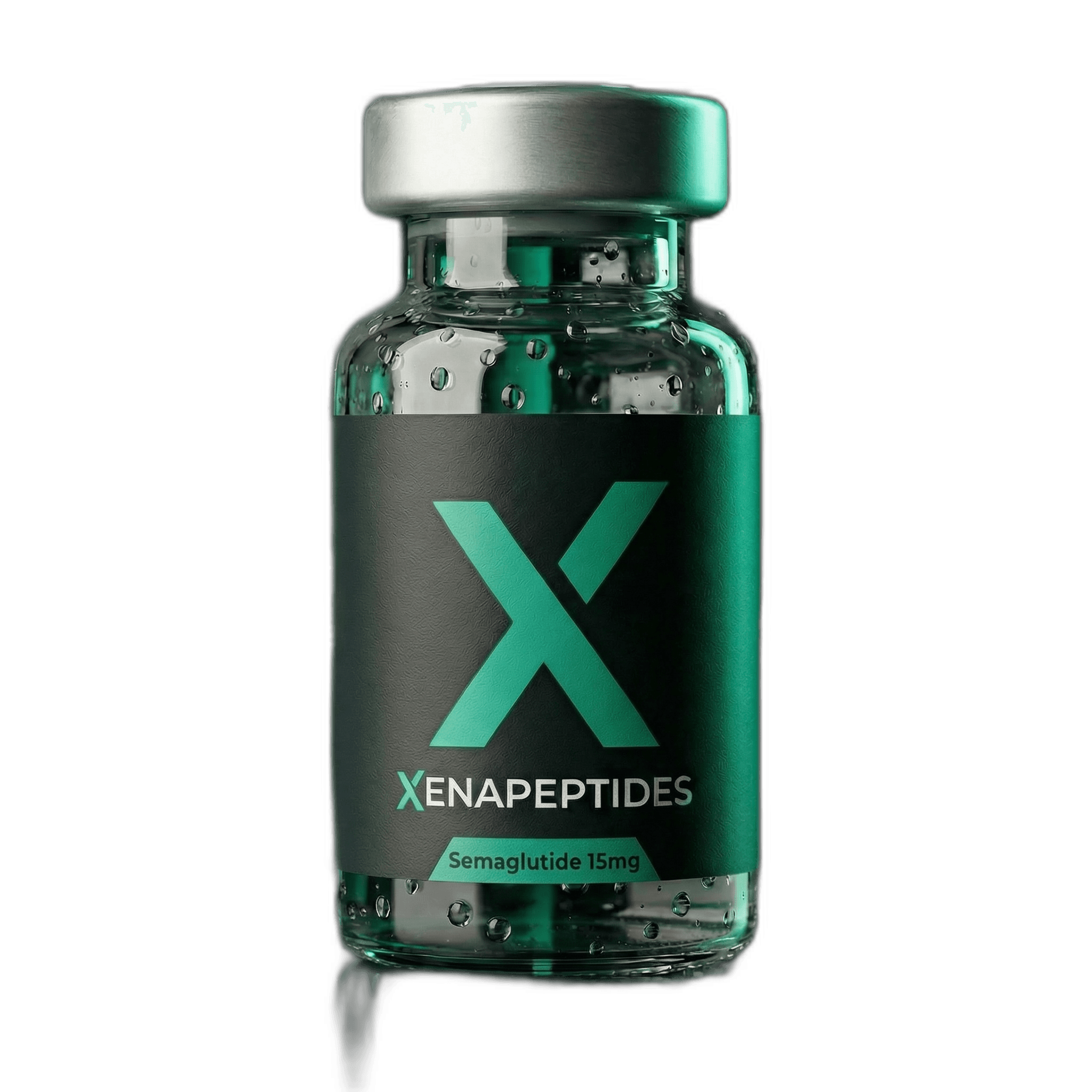
SM15
Mechanism of action Semaglutide is a GLP-1 (Glucagon-Like Peptide-1) analogue with extended half-life through structural modification and albumin binding. As a GLP-1R agonist, it exerts central effects (appetite regulation, satiety, energy centres) and peripheral effects: stimulation of glucose-dependent insulin secretion, glucagon inhibition, delayed gastric emptying. Research also explores its effects on lipid metabolism and adipose tissue distribution. Research applications • Glucose metabolism and glycemic control (HbA1c) • Appetite regulation and satiety mechanisms • Body composition and energy metabolism • Adipose tissue inflammation and ectopic lipid deposition Biological properties studied • Central and peripheral GLP-1R agonism • Improved insulin sensitivity • Reduction of triglycerides and LDL cholesterol • Extended half-life allowing weekly administration • Purity: ≥99% (HPLC) • Presentation: Lyophilized powder 15 mg • Storage: 2-8°C • Recommended diluent: Bacteriostatic water (BA) • Reconstituted solution storage: ~21 days refrigerated (2-8°C) Research use only.
60,00 €
View product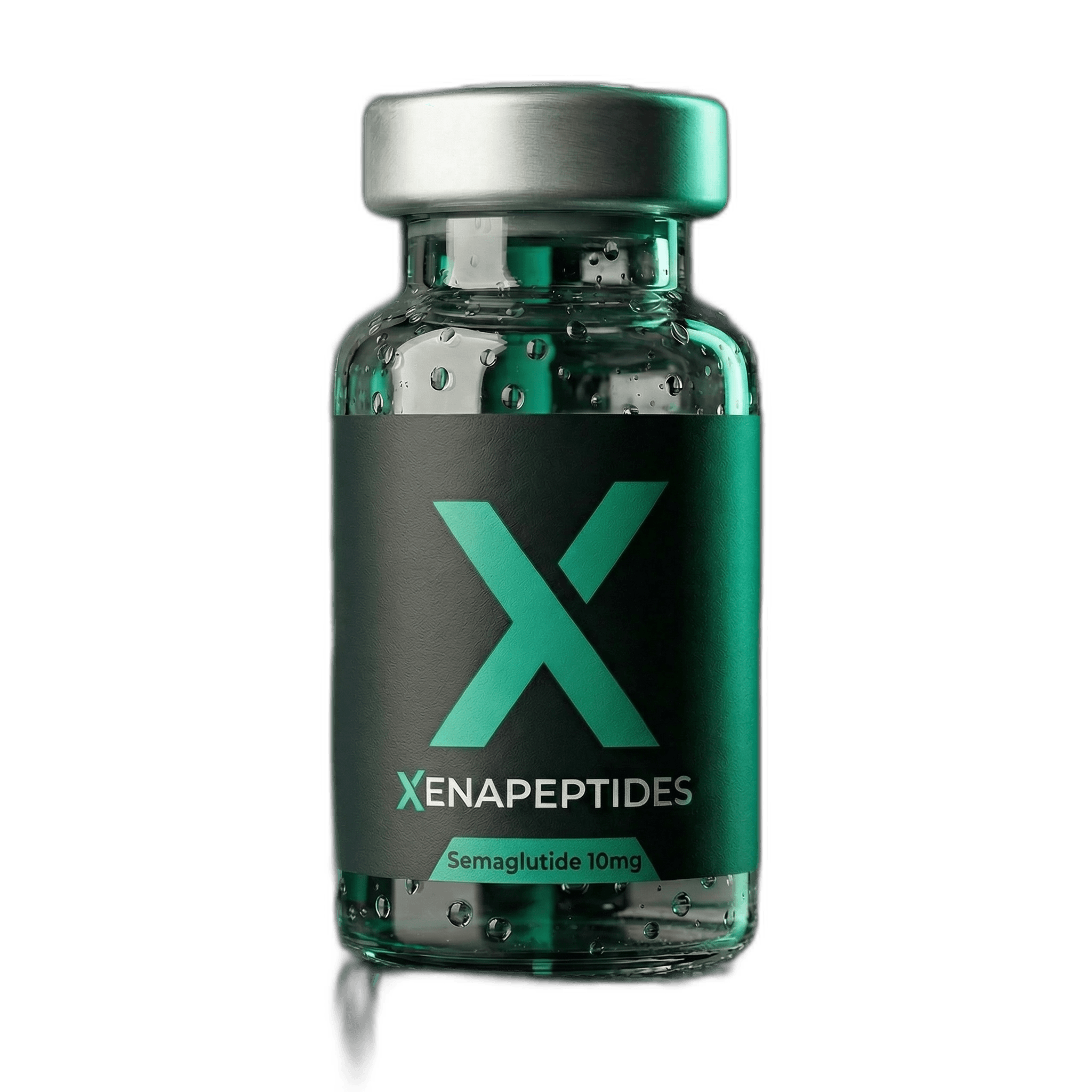
SM10
Mechanism of action Semaglutide is a GLP-1 (Glucagon-Like Peptide-1) analogue with extended half-life through structural modification and albumin binding. As a GLP-1R agonist, it exerts central effects (appetite regulation, satiety, energy centres) and peripheral effects: stimulation of glucose-dependent insulin secretion, glucagon inhibition, delayed gastric emptying. Research also explores its effects on lipid metabolism and adipose tissue distribution. Research applications • Glucose metabolism and glycemic control (HbA1c) • Appetite regulation and satiety mechanisms • Body composition and energy metabolism • Adipose tissue inflammation and ectopic lipid deposition Biological properties studied • Central and peripheral GLP-1R agonism • Improved insulin sensitivity • Reduction of triglycerides and LDL cholesterol • Extended half-life allowing weekly administration • Purity: ≥99% (HPLC) • Presentation: Lyophilized powder • Storage: 2-8°C • Recommended diluent: Bacteriostatic water (BA) • Reconstituted solution storage: ~21 days refrigerated (2-8°C) Research use only.
50,00 €
View product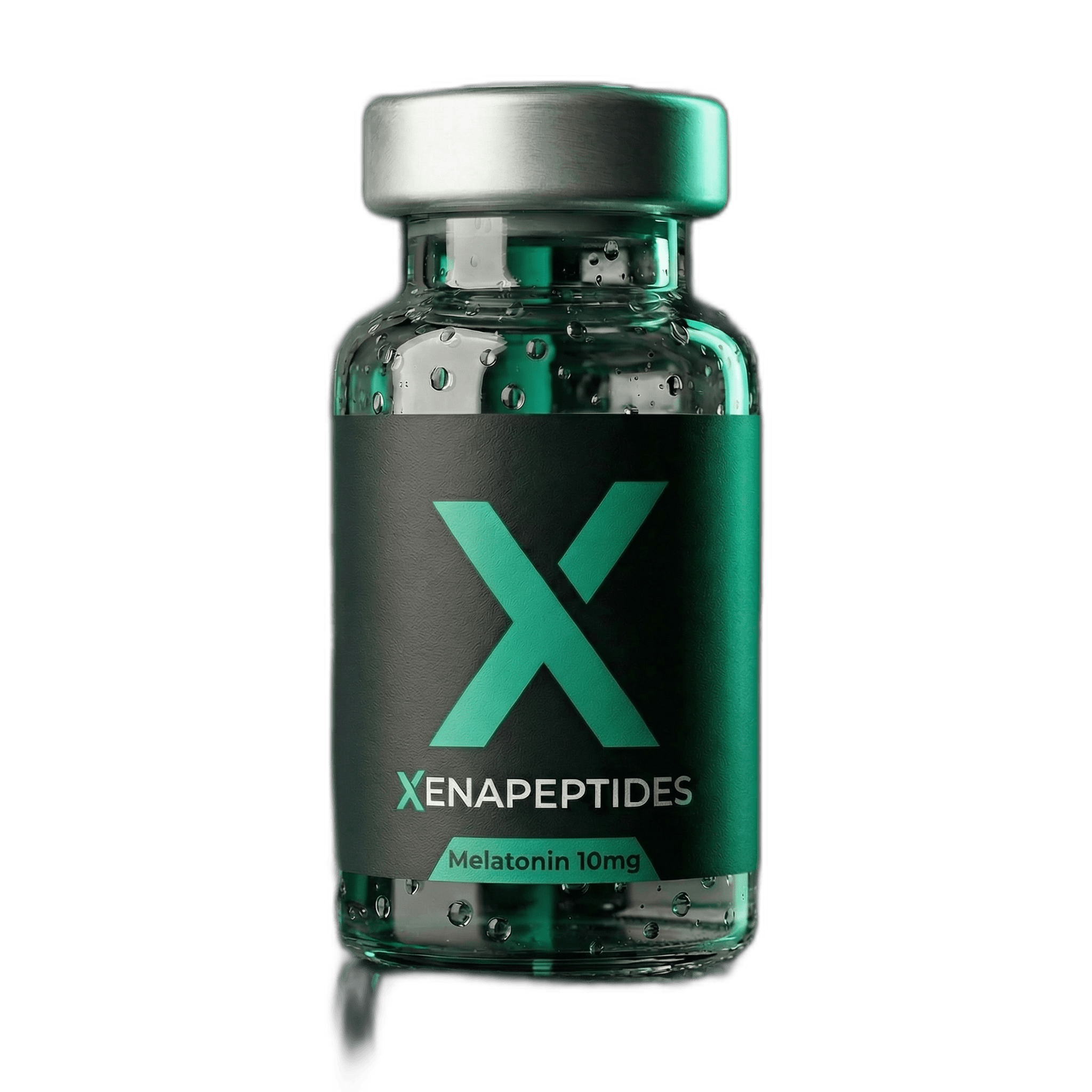
MT10
Mechanism of action Melatonin (N-acetyl-5-methoxytryptamine) is a hormone secreted mainly by the pineal gland. It binds to MT1 and MT2 receptors, regulating circadian rhythm and sleep-wake cycles. Beyond its chronobiological role, it exerts direct antioxidant effects (free radical scavenging) and indirect effects (stimulation of antioxidant enzymes), as well as neuroprotective and immunomodulatory properties studied in vitro and in vivo. Research applications • Circadian rhythms and sleep regulation • Oxidative stress and cellular protection • Neuroprotection and aging • Modulation of immune response Biological properties studied • Action via MT1/MT2 receptors • Antioxidant and anti-inflammatory capacity • Modulation of biological rhythms • Purity: ≥99% (HPLC) • Presentation: Lyophilized powder • Storage: 2-8°C Research use only.
52,00 €
View product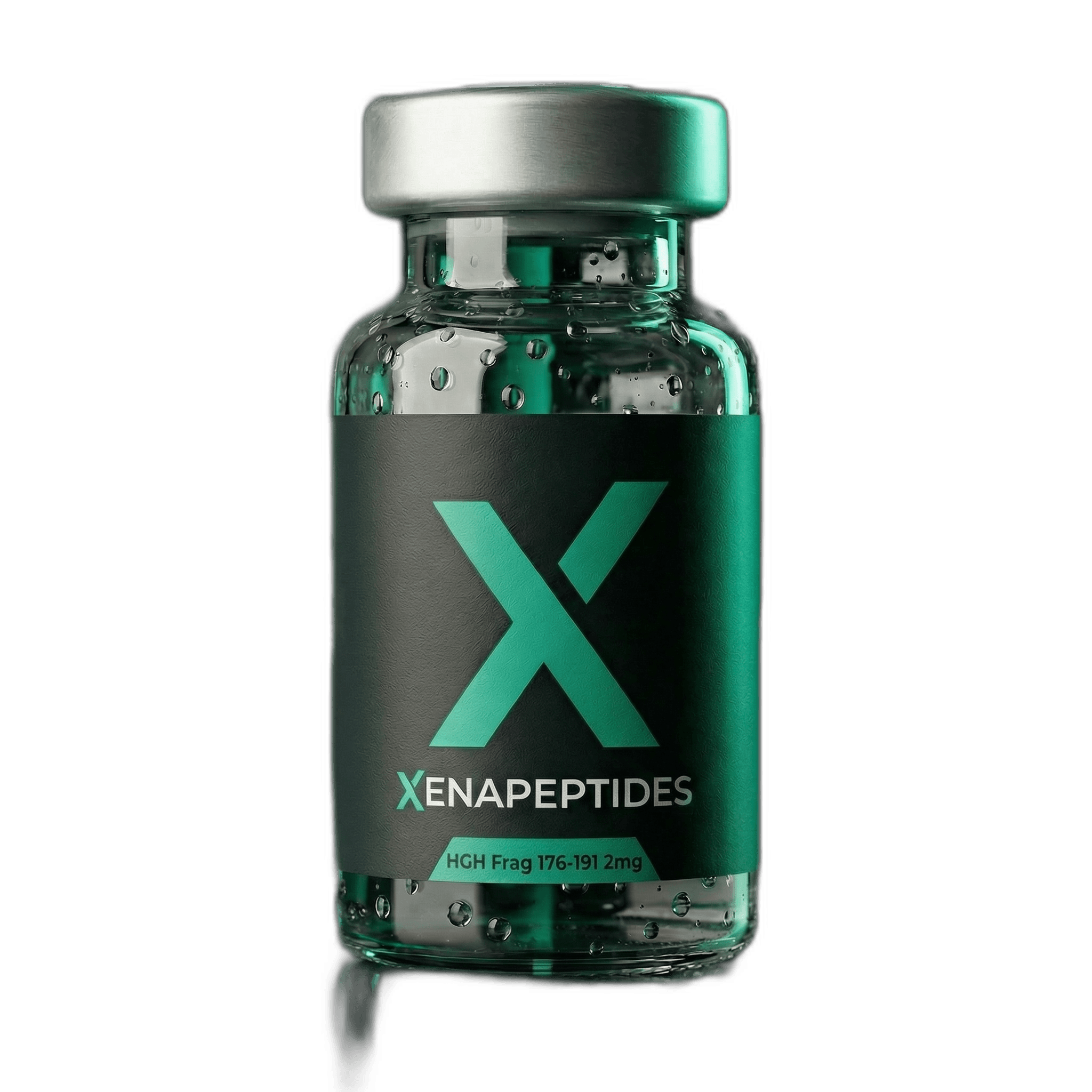
FR2
Mechanism of action The HGH fragment 176-191 (AOD9604) is a lipolytic peptide derived from the C-terminal segment of growth hormone. Preclinical studies indicate indirect action via β3-adrenergic receptors (β3-AR): the peptide increases β3-AR expression in adipocytes, contributing to restoration of lipolytic sensitivity. Unlike full HGH, this fragment does not appear to significantly affect insulin sensitivity, making it a distinct research subject for lipid metabolism. Research applications • Mobilization of lipid reserves and fat metabolism • Expression and regulation of β3-adrenergic receptors in adipocytes • Research models on obesity and fat storage Biological properties studied • Lipolytic effect without notable insulinotropic action • Potential to increase energy expenditure • Selectivity of action compared to native HGH • Purity: ≥99% (HPLC) • Presentation: Lyophilized powder • Storage: 2-8°C Research use only.
49,00 €
View product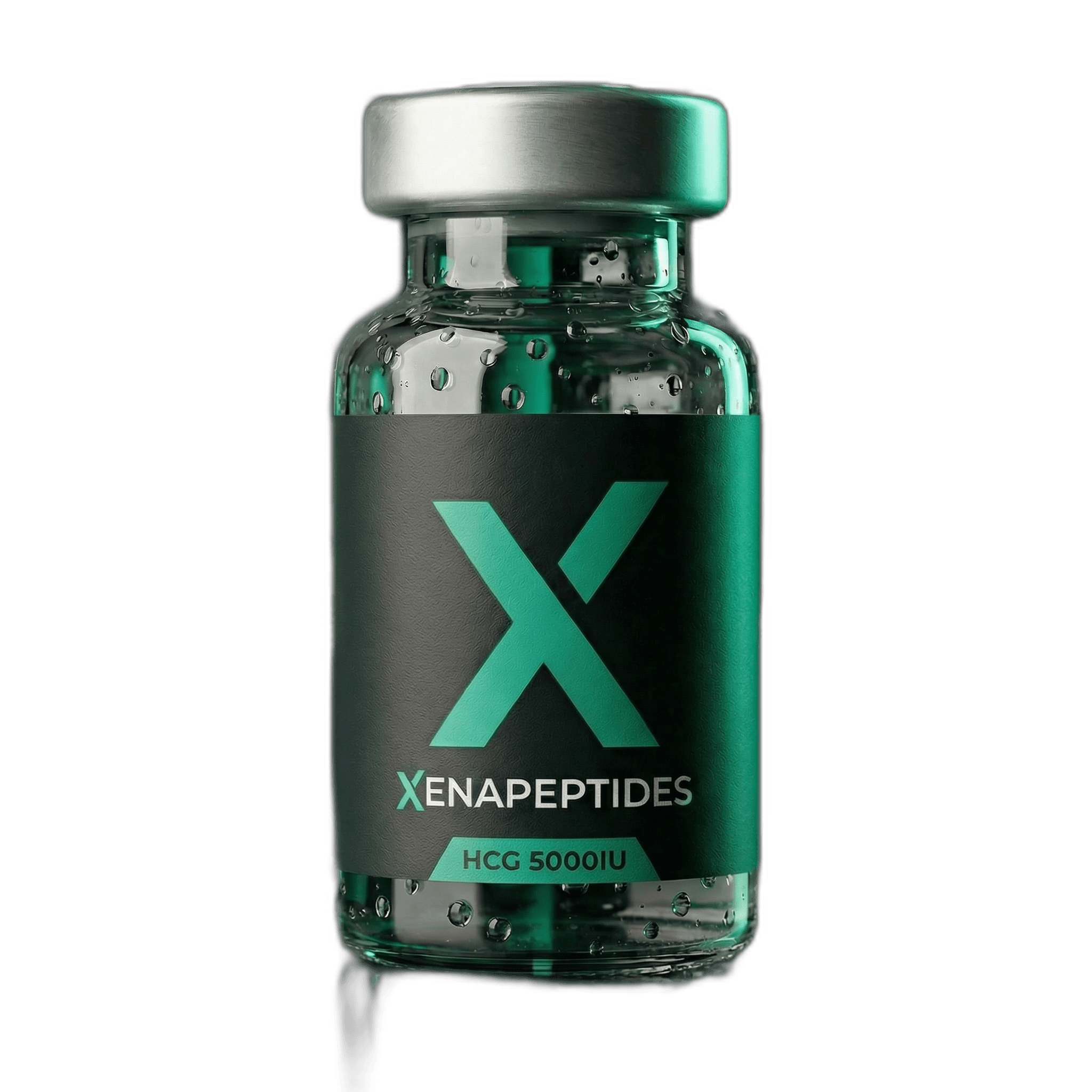
G5K
Mechanism of action Human chorionic gonadotropin (HCG) is a glycoprotein hormone that shares an alpha subunit with LH and FSH. It binds to LH receptors at the testicular level, stimulating steroidogenesis and maintenance of Leydig cell function. In research, it is studied for its ability to support endogenous testosterone production and recovery of gonadotropic function after pituitary suppression. Research applications • Support of testicular function and spermatogenesis • Hormonal regulation and restoration of the gonadotropic axis • Studies on steroidogenesis and hormone receptors Biological properties studied • Stimulation of Leydig cells • Potential for fertility preservation • Luteinizing effect via LH receptors • Purity: ≥99% (HPLC) • Presentation: Lyophilized powder • Storage: 2-8°C Research use only.
65,00 €
View product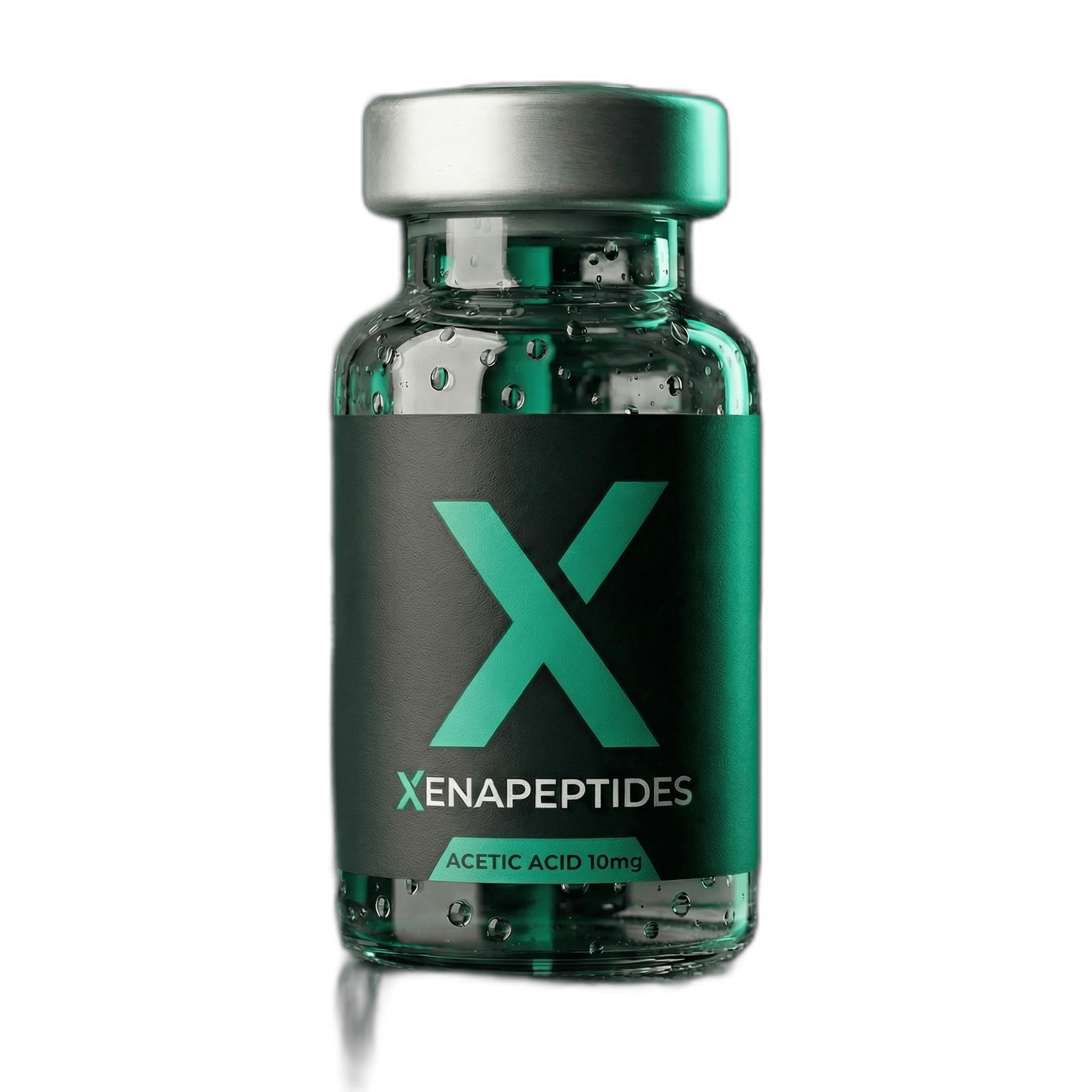
AA10
Mechanism and composition 0.6% acetic acid in sterile water provides an acidic environment favourable to dissolution and stability of hydrophobic or longer peptides. At neutral pH (bacteriostatic water), these peptides may show reduced solubility or accelerated degradation. Research use • Diluent for peptides requiring an acidic environment (IGF-1 LR3, certain GLP-1 analogues, complex peptides) • Complete dissolution and optimal stability under acidic conditions Preparation Gently inject the diluent along the vial wall; mix carefully without shaking until fully dissolved. • Composition: 0.6% acetic acid in sterile water • Storage: 2-8°C after opening • Reconstituted solution storage: ~21 days refrigerated Research use only.
14,00 €
View product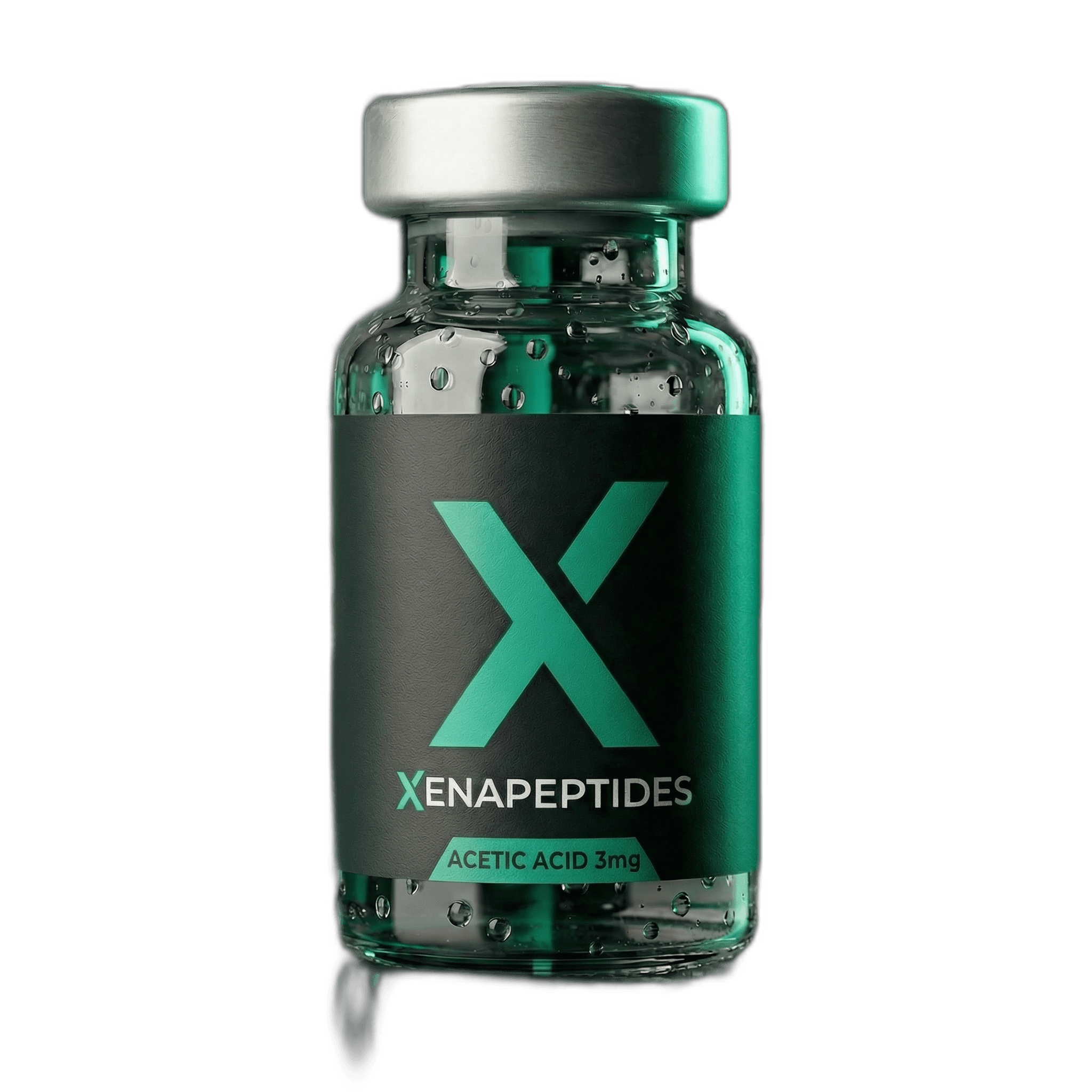
AA3
Mechanism and composition 0.6% acetic acid in sterile water provides an acidic environment favourable to dissolution and stability of hydrophobic or longer peptides. At neutral pH (bacteriostatic water), these peptides may show reduced solubility or accelerated degradation. Research use • Diluent for peptides requiring an acidic environment (IGF-1 LR3, certain GLP-1 analogues, complex peptides) • Complete dissolution and optimal stability under acidic conditions Preparation Gently inject the diluent along the vial wall; mix carefully without shaking until fully dissolved. • Composition: 0.6% acetic acid in sterile water • Storage: 2-8°C after opening • Reconstituted solution storage: ~21 days refrigerated Research use only.
7,00 €
View product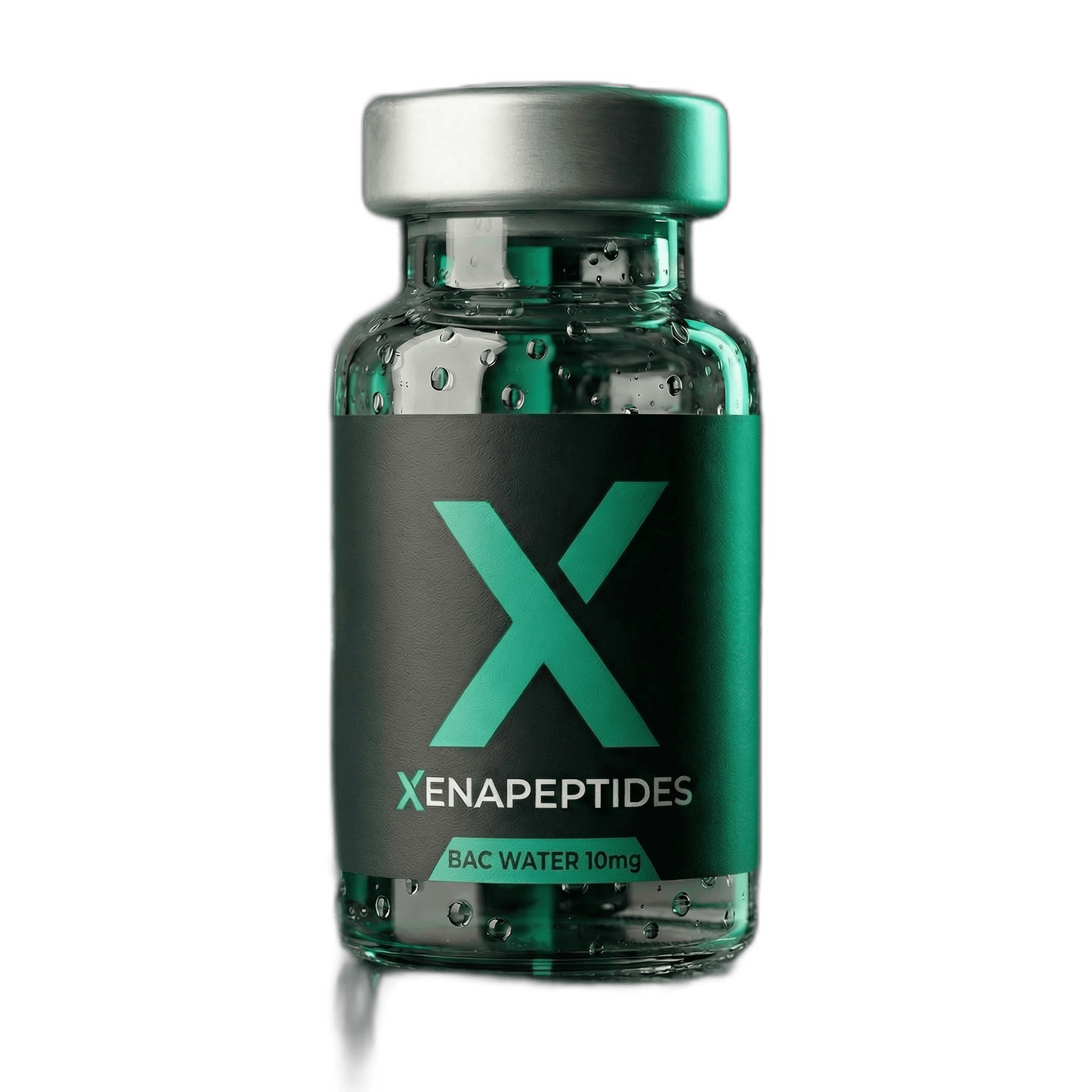
BA10
Mechanism and composition Bacteriostatic water is a sterile solution containing 0.9% benzyl alcohol. Benzyl alcohol inhibits bacterial growth in reconstituted preparations, allowing extended storage of the peptide solution while preserving molecular integrity. Research use • Standard diluent for reconstitution of most research peptides • Ensures sterility and stability of reconstituted solution • Compatible with peptides soluble at neutral pH (BPC-157, TB-500, Semaglutide, etc.) Preparation Gently inject the diluent along the vial wall containing the lyophilized powder; avoid injecting directly into the powder. Mix carefully without shaking until fully dissolved. • Composition: Sterile water, 0.9% benzyl alcohol • Storage: 2-8°C after opening • Reconstituted solution storage: ~21 days refrigerated (2-8°C) Research use only.
14,00 €
View product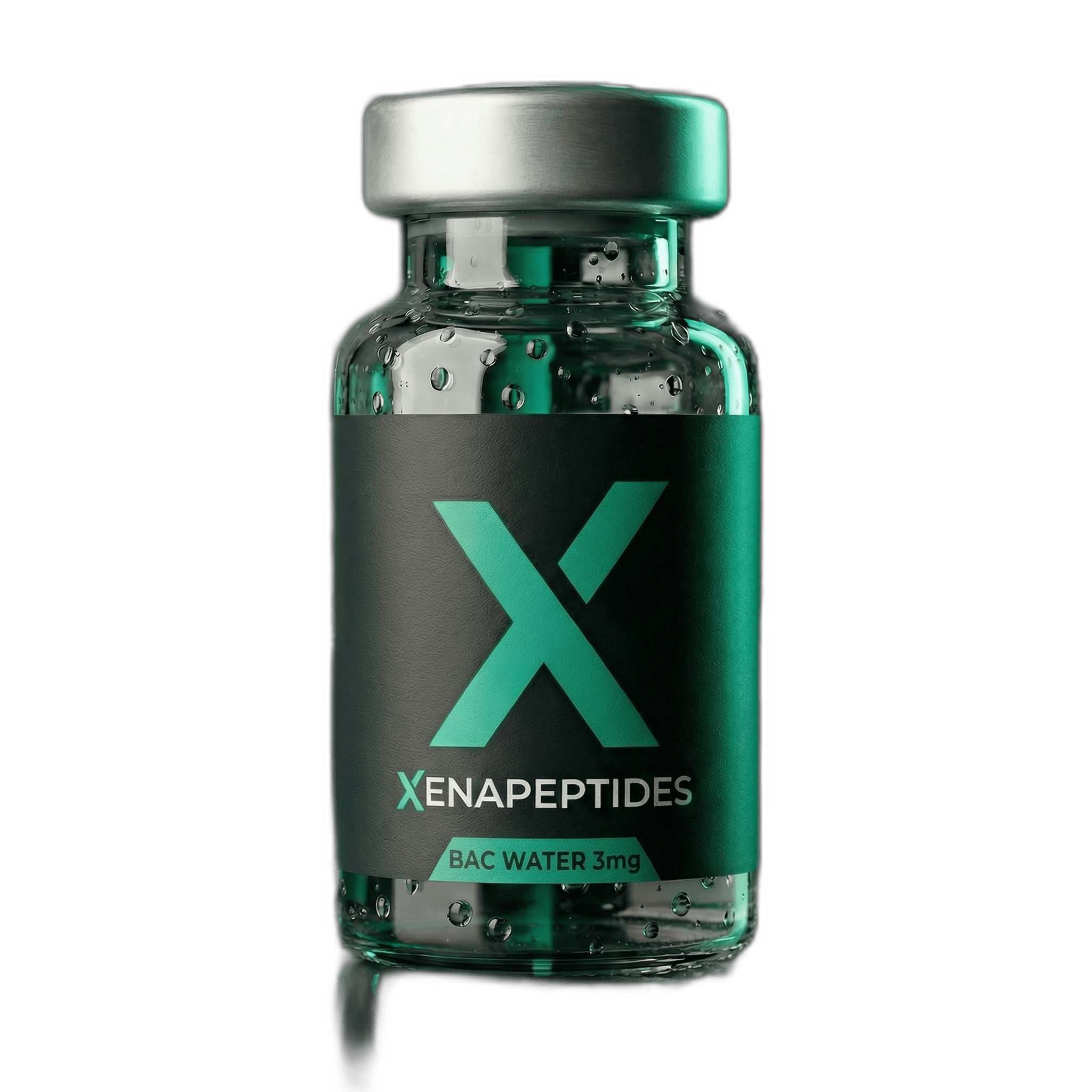
BA3
Mechanism and composition Bacteriostatic water is a sterile solution containing 0.9% benzyl alcohol. Benzyl alcohol inhibits bacterial growth in reconstituted preparations, allowing extended storage of the peptide solution while preserving molecular integrity. Research use • Standard diluent for reconstitution of most research peptides • Ensures sterility and stability of reconstituted solution • Compatible with peptides soluble at neutral pH (BPC-157, TB-500, Semaglutide, etc.) Preparation Gently inject the diluent along the vial wall containing the lyophilized powder; avoid injecting directly into the powder. Mix carefully without shaking until fully dissolved. • Composition: Sterile water, 0.9% benzyl alcohol • Storage: 2-8°C after opening • Reconstituted solution storage: ~21 days refrigerated (2-8°C) Research use only.
7,00 €
View product