Premium peptide catalog built for advanced laboratory workflows.
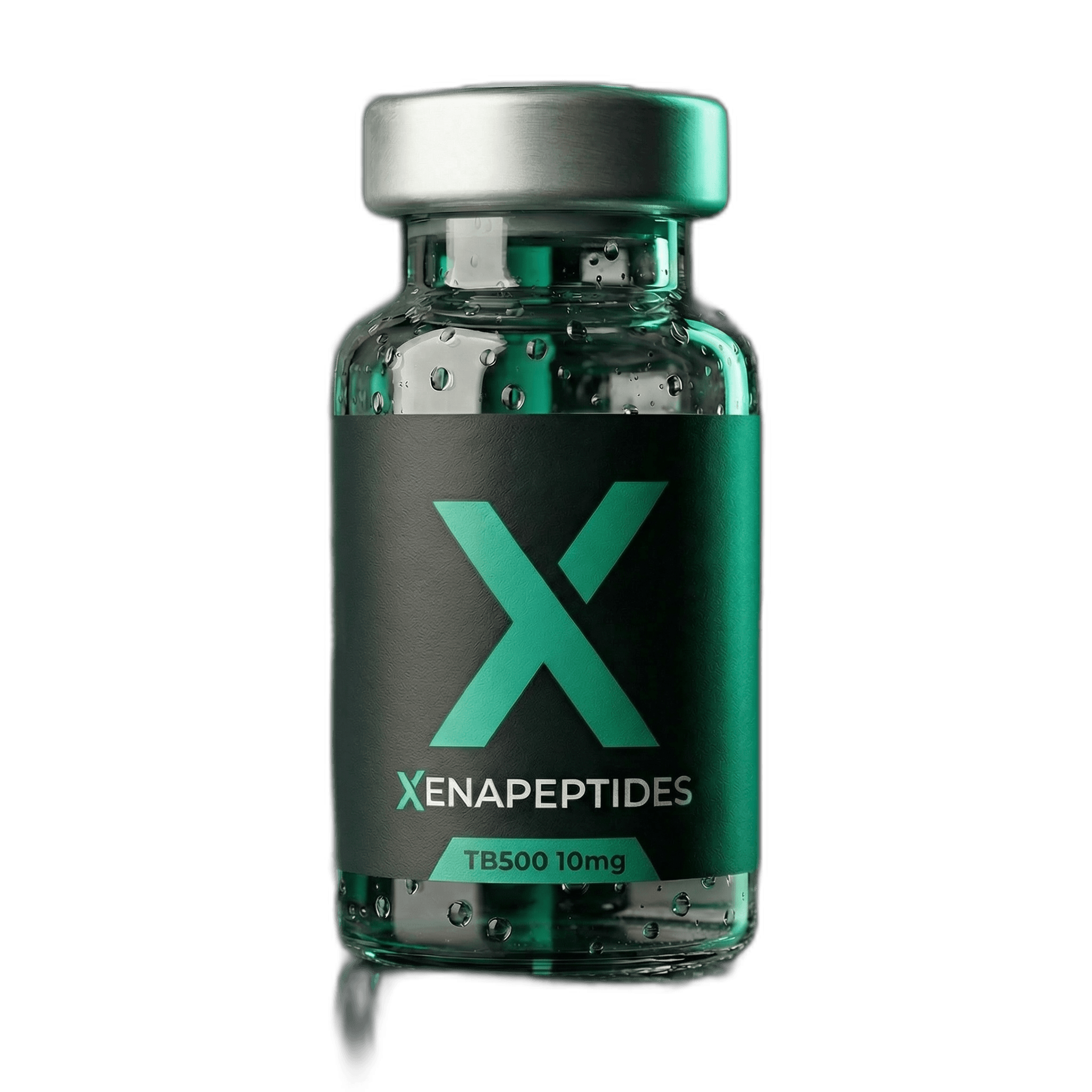
TB10
Mechanism of action TB-500 is the synthetic form of Thymosin β4 (Tβ4), a 43-amino acid peptide. Its primary mechanism involves sequestration of G-actin, regulating actin polymerization that drives cell migration and proliferation. The peptide promotes angiogenesis (formation of new vessels) via surface receptor binding and internalization. Distinct active fragments have been identified: anti-inflammatory (amino acids 1-4), anti-apoptotic and cytoprotective (1-15), cell migration stimulation (17-23). Research applications • Wound healing: accelerated reepithelialization, collagen deposition, wound contraction, angiogenesis in preclinical models • Keratinocyte and endothelial cell migration • Tendons and ligaments: tissue repair and flexibility • Inflammation and cell regeneration Biological properties studied • Actin regulation and cell migration • Promotion of angiogenesis and healing • Anti-inflammatory and cytoprotective effects • Potential synergy with BPC-157 for tendon healing • Stimulation of fibroblast proliferation Preparation and storage Reconstitute with bacteriostatic water; inject diluent along vial wall without shaking. Never mix one peptide with another in the same syringe. Reconstituted solution stored ~21 days refrigerated (2-8°C). • Purity: ≥99% (HPLC) • Presentation: Lyophilized powder 10 mg • Storage: 2-8°C • Recommended diluent: Bacteriostatic water (BA) Research use only.
110,00 €
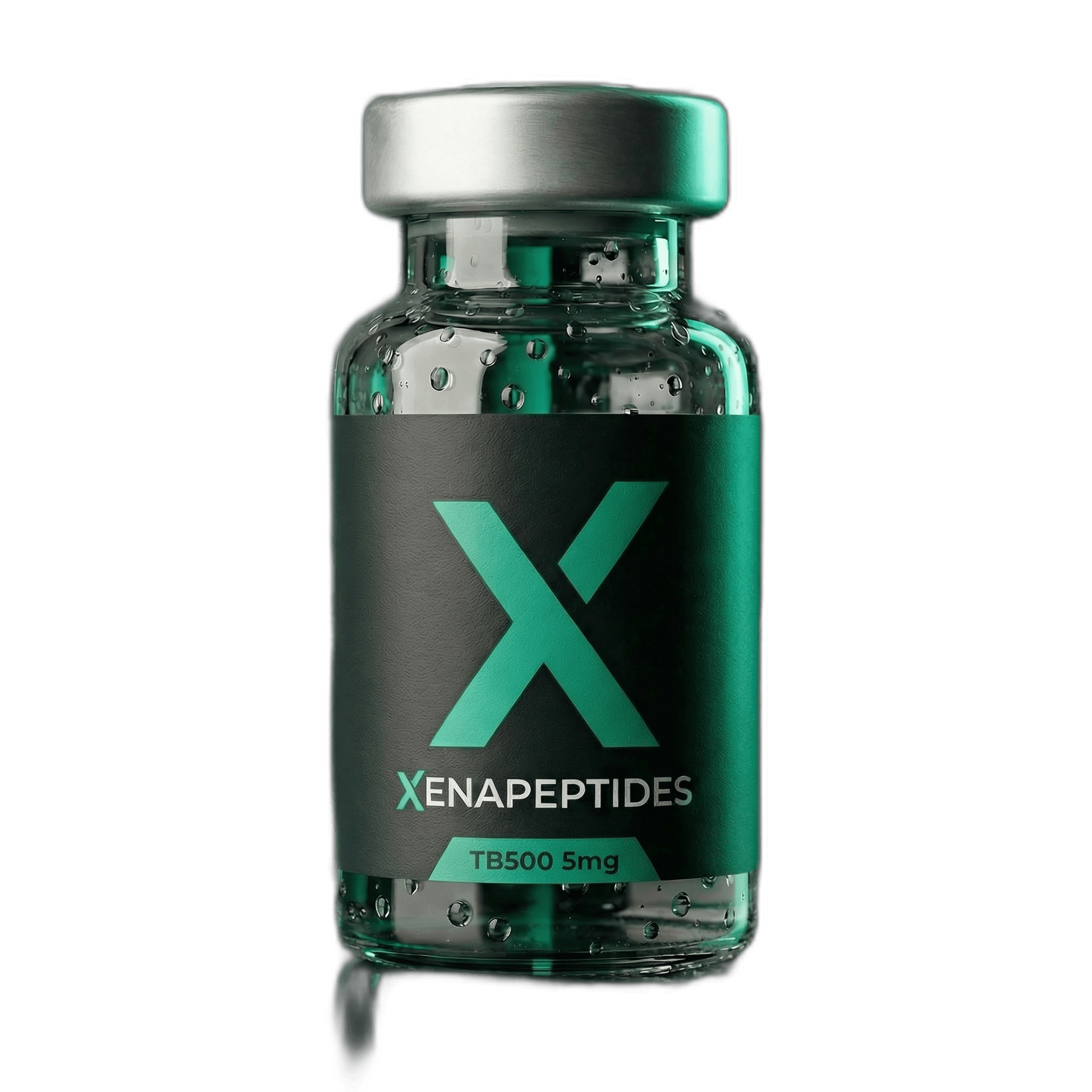
TB5
Mechanism of action TB-500 is the synthetic form of Thymosin β4 (Tβ4), a 43-amino acid peptide. Its primary mechanism involves sequestration of G-actin, regulating actin polymerization that drives cell migration and proliferation. The peptide promotes angiogenesis (formation of new vessels) via surface receptor binding and internalization. Distinct active fragments have been identified: anti-inflammatory (amino acids 1-4), anti-apoptotic and cytoprotective (1-15), cell migration stimulation (17-23). Research applications • Wound healing: accelerated reepithelialization, collagen deposition, wound contraction, angiogenesis in preclinical models • Keratinocyte and endothelial cell migration • Tendons and ligaments: tissue repair and flexibility • Inflammation and cell regeneration Biological properties studied • Actin regulation and cell migration • Promotion of angiogenesis and healing • Anti-inflammatory and cytoprotective effects • Potential synergy with BPC-157 for tendon healing • Stimulation of fibroblast proliferation Preparation and storage Reconstitute with bacteriostatic water; inject diluent along vial wall without shaking. Never mix one peptide with another in the same syringe. Reconstituted solution stored ~21 days refrigerated (2-8°C). • Purity: ≥99% (HPLC) • Presentation: Lyophilized powder • Storage: 2-8°C • Recommended diluent: Bacteriostatic water (BA) Research use only.
80,00 €
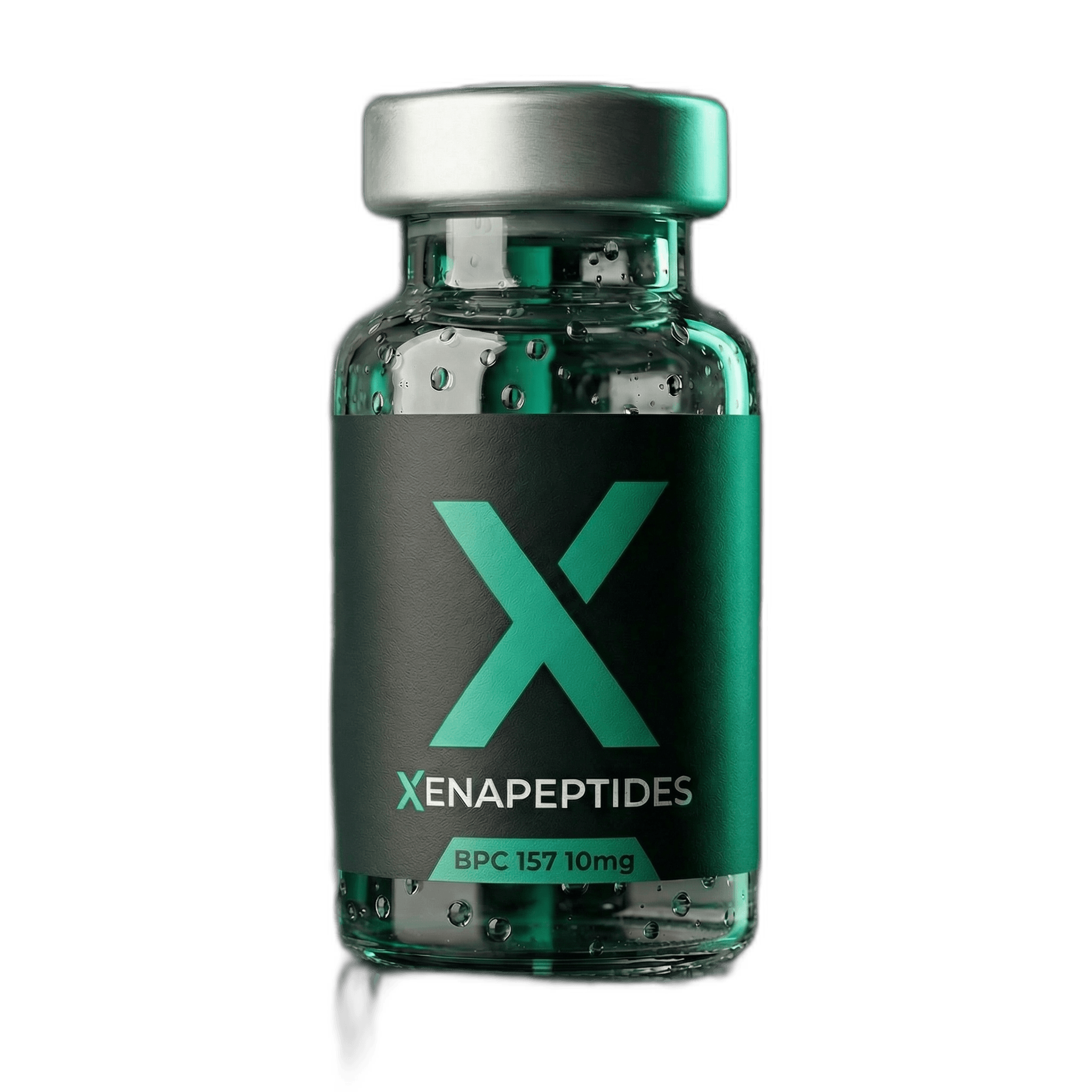
BPC10
Mechanism of action BPC-157 interacts with the nitric oxide (NO) pathway to regulate vascular function and stimulate key growth factors. The NO-mediated healing mechanism involves accelerated angiogenesis—formation of new blood vessels—enabling increased delivery of oxygen and energy to the damaged site. The peptide stimulates production of angiogenic cytokines (VEGF, TGF-β, FGF), upregulates anti-inflammatory genes and growth hormone receptors, and promotes fibroblast proliferation essential for collagen formation. Research applications • Tendon and ligament healing: preclinical studies show improved biomechanical recovery, micro- and macroscopic, with increased load at rupture and collagen fibre formation • Skeletal muscle: accelerated muscle healing after traumatic injury, reduced muscle proteolysis • Skin and mucosa: modulatory effect on collagen, inflammatory cells and angiogenesis in skin wound models • Gastrointestinal tract: cytoprotective activity and lesion repair Biological properties studied • Promotes angiogenesis and healing of various tissues (skin, mucosa, muscle, tendons, ligaments) • Stimulates fibroblast proliferation and collagen formation • Increases growth hormone receptor expression • Anti-inflammatory and cytoprotective effects • Potential synergy with TB-500 for tendon healing • Protects endothelium and may reduce thrombotic complications Preparation and storage Reconstitute with bacteriostatic water; inject diluent along vial wall without shaking. Never mix one peptide with another in the same syringe. Reconstituted solution stored ~21 days refrigerated (2-8°C). • Purity: ≥99% (HPLC) • Presentation: Lyophilized powder 10 mg • Storage: 2-8°C • Recommended diluent: Bacteriostatic water (BA) Research use only.
65,00 €
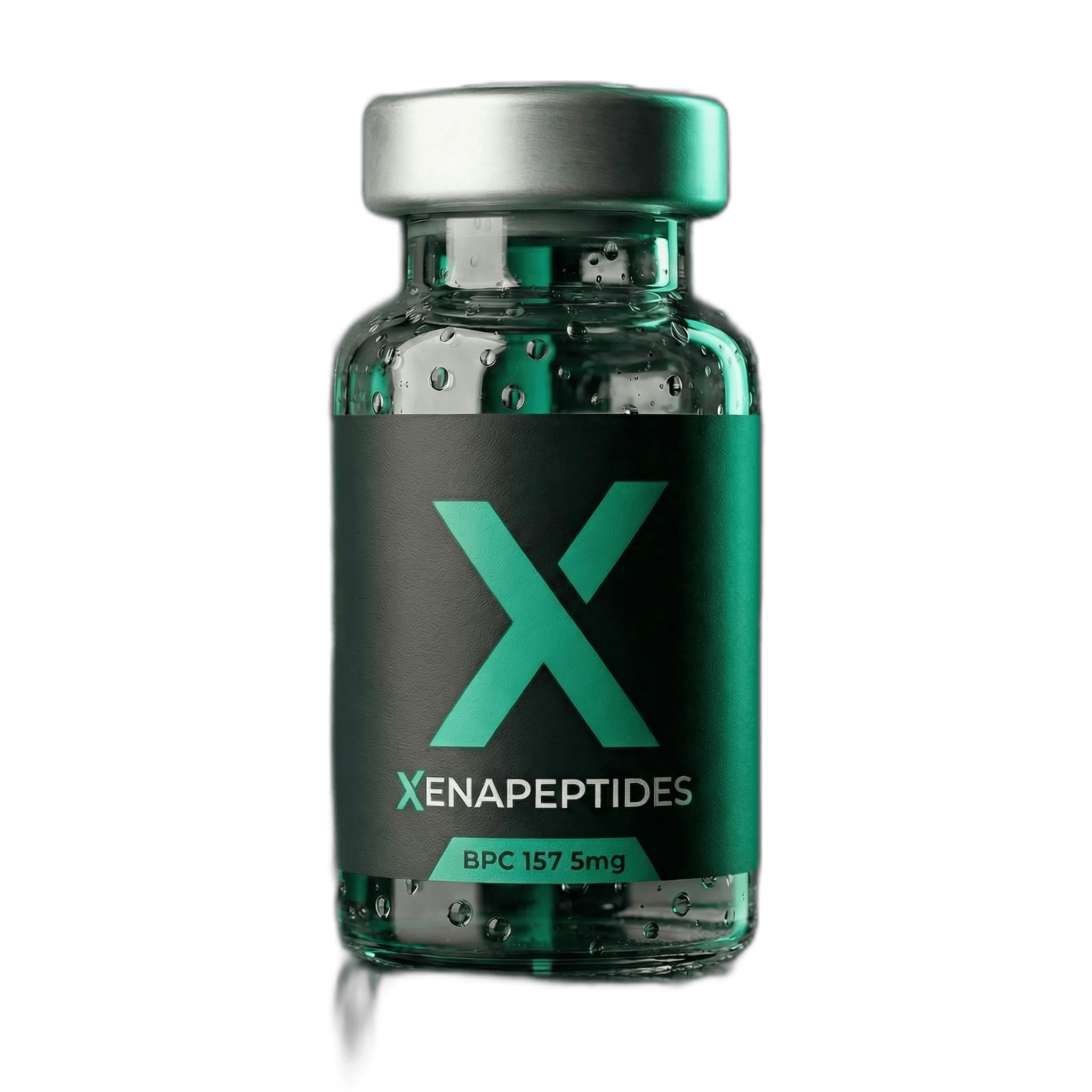
BPC5
Mechanism of action BPC-157 interacts with the nitric oxide (NO) pathway to regulate vascular function and stimulate key growth factors. The NO-mediated healing mechanism involves accelerated angiogenesis—formation of new blood vessels—enabling increased delivery of oxygen and energy to the damaged site. The peptide stimulates production of angiogenic cytokines (VEGF, TGF-β, FGF), upregulates anti-inflammatory genes and growth hormone receptors, and promotes fibroblast proliferation essential for collagen formation. Research applications • Tendon and ligament healing: preclinical studies show improved biomechanical recovery, micro- and macroscopic, with increased load at rupture and collagen fibre formation • Skeletal muscle: accelerated muscle healing after traumatic injury, reduced muscle proteolysis • Skin and mucosa: modulatory effect on collagen, inflammatory cells and angiogenesis in skin wound models • Gastrointestinal tract: cytoprotective activity and lesion repair Biological properties studied • Promotes angiogenesis and healing of various tissues (skin, mucosa, muscle, tendons, ligaments) • Stimulates fibroblast proliferation and collagen formation • Increases growth hormone receptor expression • Anti-inflammatory and cytoprotective effects • Potential synergy with TB-500 for tendon healing • Protects endothelium and may reduce thrombotic complications Preparation and storage Reconstitute with bacteriostatic water; inject diluent along vial wall without shaking. Never mix one peptide with another in the same syringe. Reconstituted solution stored ~21 days refrigerated (2-8°C). • Purity: ≥99% (HPLC) • Presentation: Lyophilized powder • Storage: 2-8°C • Recommended diluent: Bacteriostatic water (BA) Research use only.
55,00 €