Mechanism of action
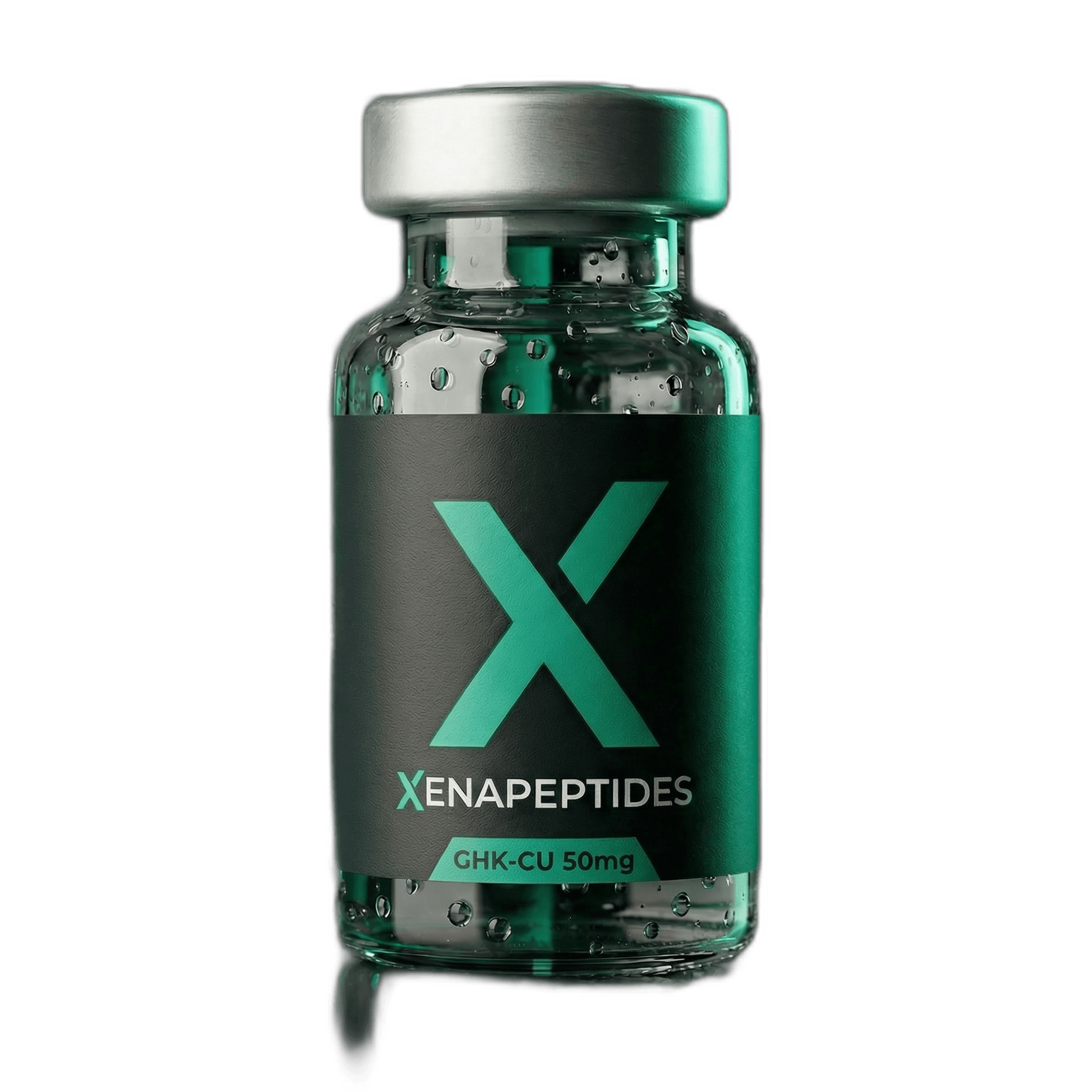
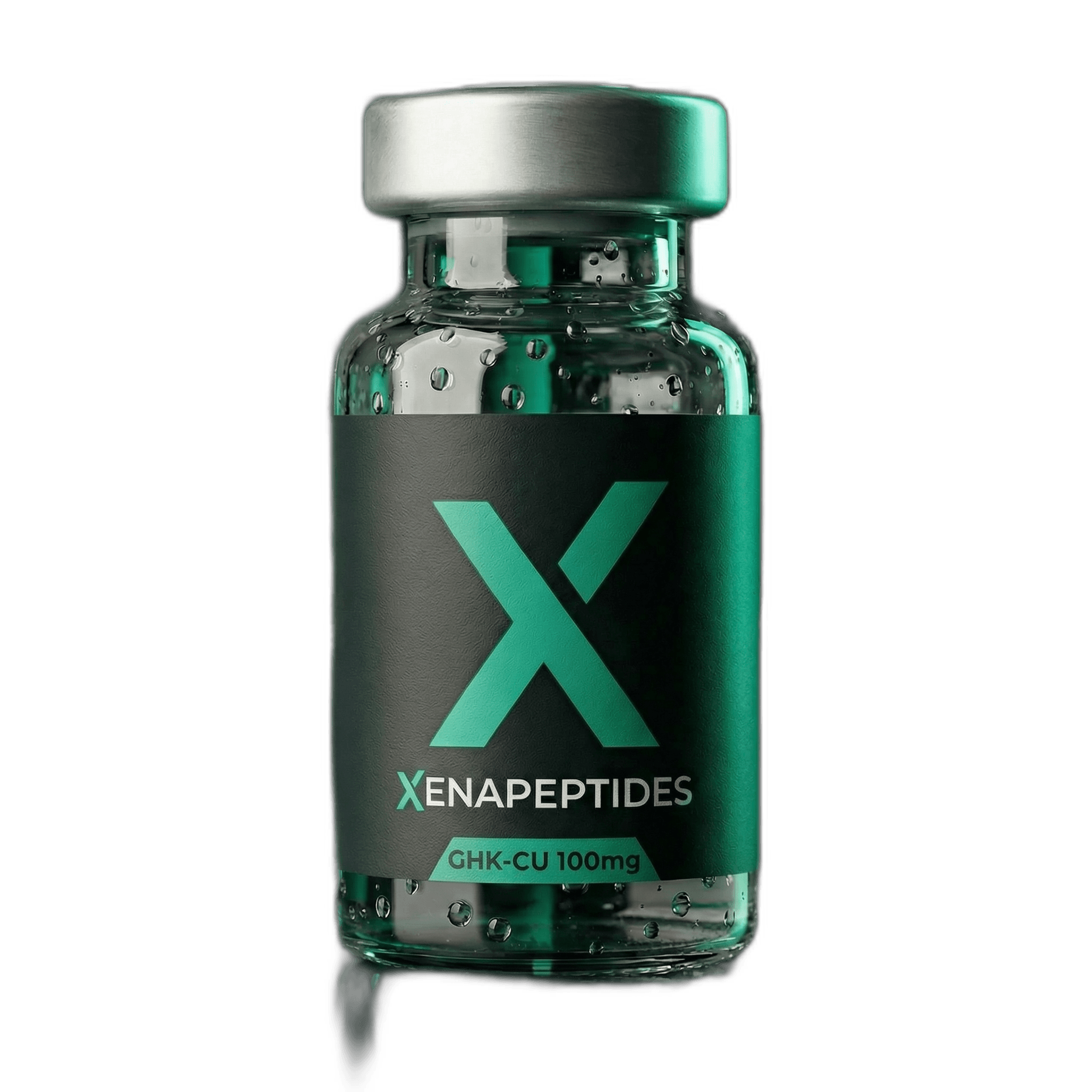
GHK-Cu (glycyl-L-histidyl-L-lysine-copper) is a tripeptide naturally present in human plasma, released during injury. It modulates approximately 4000 human genes and exerts effects on tissue remodelling. The peptide stimulates synthesis of collagen, elastin, glycosaminoglycans and chondroitin sulfate while regulating collagen degradation. It increases production of VEGF, FGF-2, NGF and erythropoietin, attracts immune and endothelial cells to wound sites, suppresses free radicals and TNF-α, and increases superoxide dismutase activity. GHK levels naturally decline with age (approx. 200 ng/ml at 20 yrs vs 80 ng/ml at 60 yrs).
Research applications
• Skin wound healing and tissue remodelling
• Fibroblast stimulation and extracellular matrix synthesis
• Anti-inflammation and antioxidant
• Skin rejuvenation and gene regulation
• Epidermal stem cell growth (integrins)
Biological properties studied
• Stimulation of collagen, elastin and GAG
• Increased VEGF, FGF-2, NGF
• Anti-inflammatory and antioxidant effects
• Modulation of thousands of genes
• Purity: ≥99% (HPLC)
• Presentation: Lyophilized powder
• Storage: 2-8°C
• Recommended diluent: Bacteriostatic water (BA)
• Application: often used in topical or in vitro research
Research use only.